
Best Time to Climb Cotopaxi: Weather, Seasons & Conditions
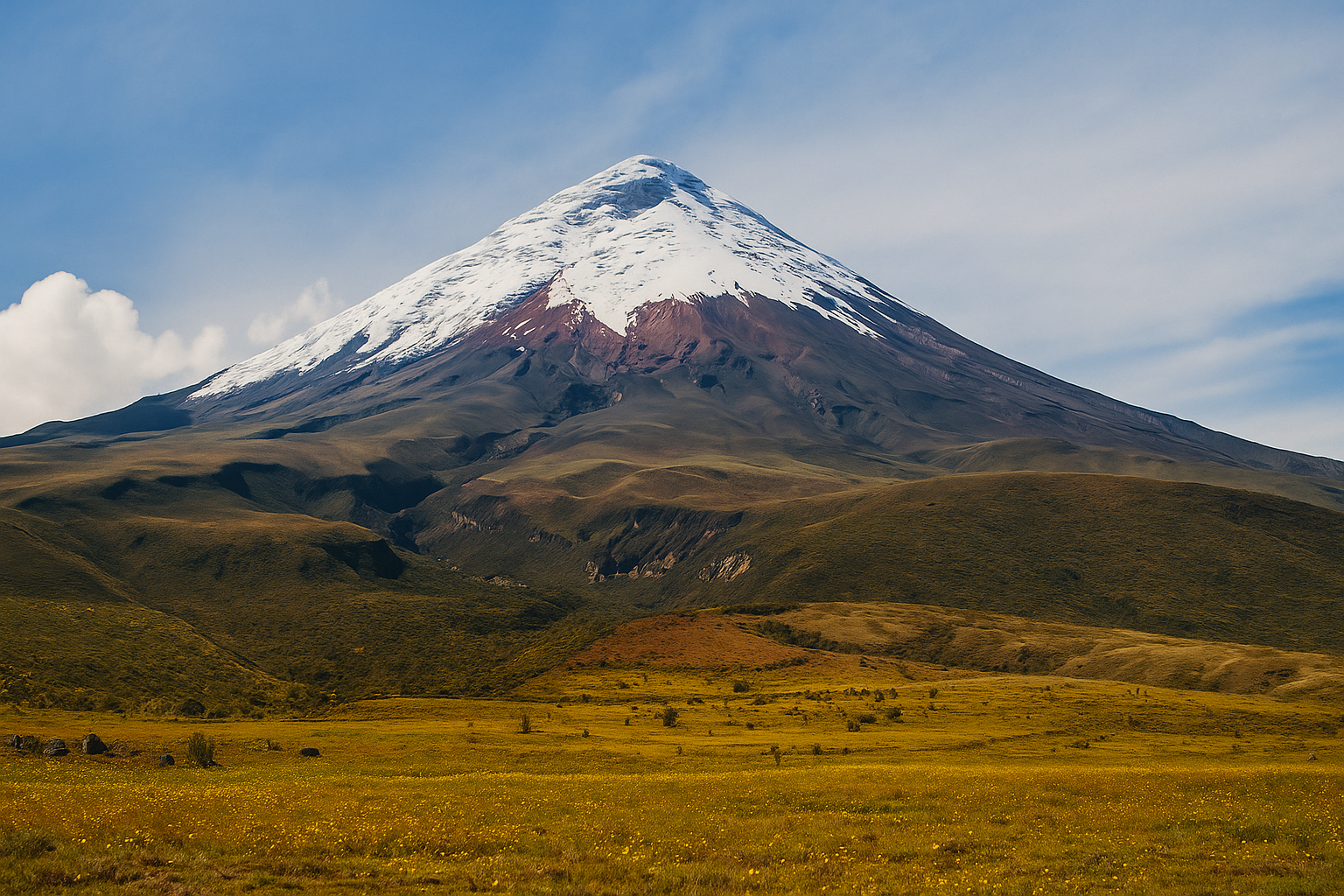
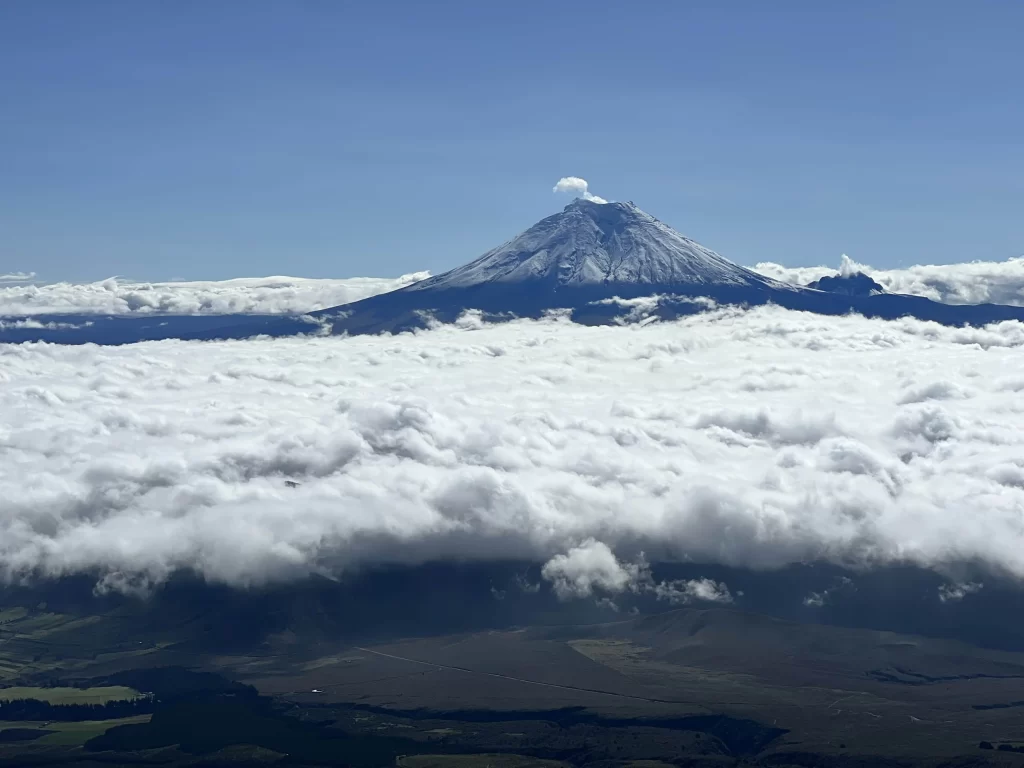
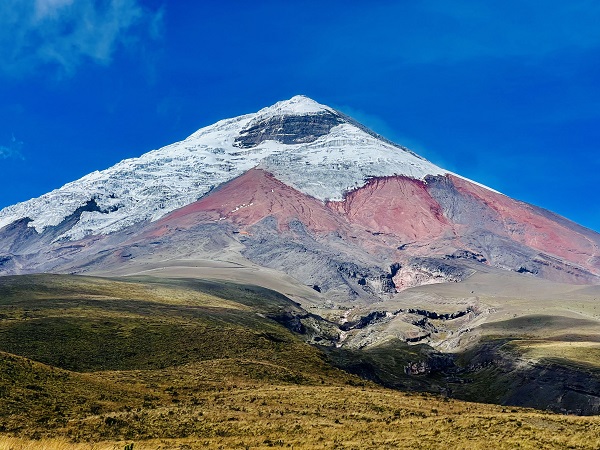
Cotopaxi Volcano, at 5,897 meters (19,347 ft), is one of Ecuador’s most iconic high-altitude climbing objectives. Its impressive glacier, almost perfectly symmetrical volcanic cone and accessibility from Quito make it one of the most sought-after mountaineering experiences in the Ecuadorian Andes.
One of the most common questions climbers ask us is:
When is the best time to climb Cotopaxi?
The short answer is that Cotopaxi can be climbed throughout the year, but some periods generally offer more favorable conditions than others.
Weather in the high Andes can change rapidly, so choosing the right season is only one part of preparing for a successful expedition.
Best Climbing Seasons for Cotopaxi
November to February
This is one of the principal mountaineering seasons in Ecuador. Climbers often experience better summit windows during this period, although conditions vary from year to year.
June to mid-September
This is another popular period for climbing Ecuador’s high volcanoes. Conditions can be colder and windier, but there are often good opportunities for summit attempts.
There is no month in which a successful Cotopaxi summit can be guaranteed.
The Ecuadorian Andes have a complex equatorial mountain climate, and conditions can change considerably within a few hours.
Can You Climb Cotopaxi Year-Round?
Yes.
Unlike many mountain ranges with very short climbing seasons, Ecuador’s geographical position near the equator makes high-altitude mountaineering possible throughout much of the year.
We organize Cotopaxi climbs in different months depending on current mountain and glacier conditions.
A professional mountain guide evaluates factors including:
- Weather
- Wind
- Snow conditions
- Glacier conditions
- Crevasse hazards
- Visibility
- Temperature
- Physical condition of the climbers
The final decision to continue toward the summit always depends on actual conditions on the mountain.
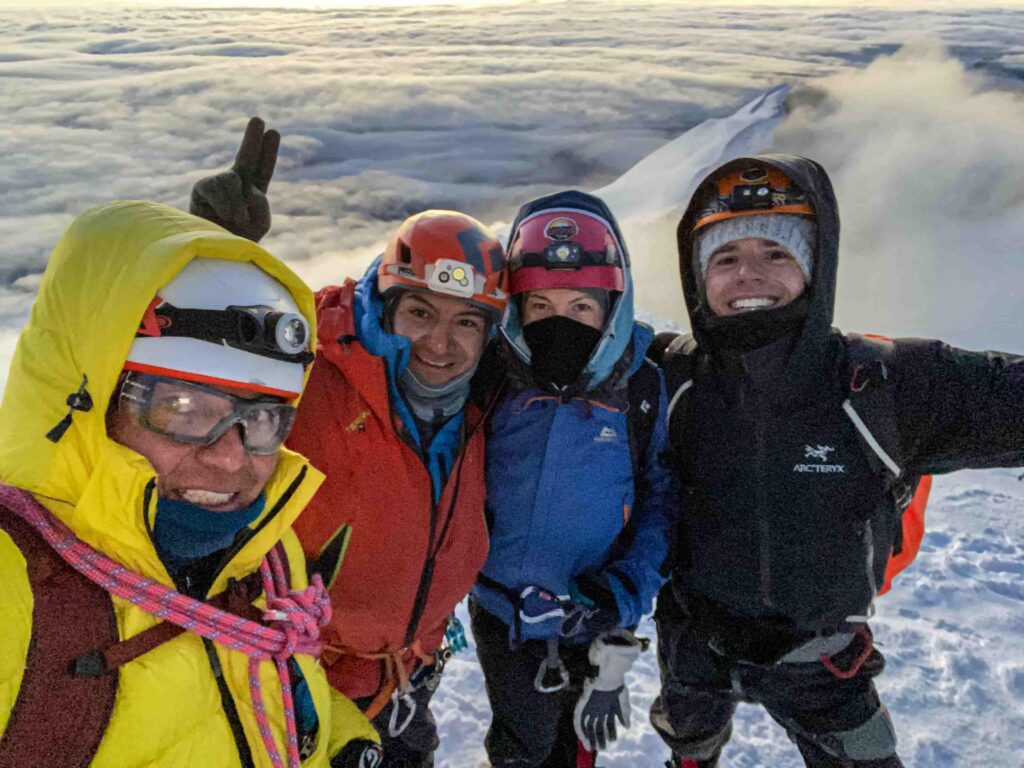
Cotopaxi Weather at High Altitude
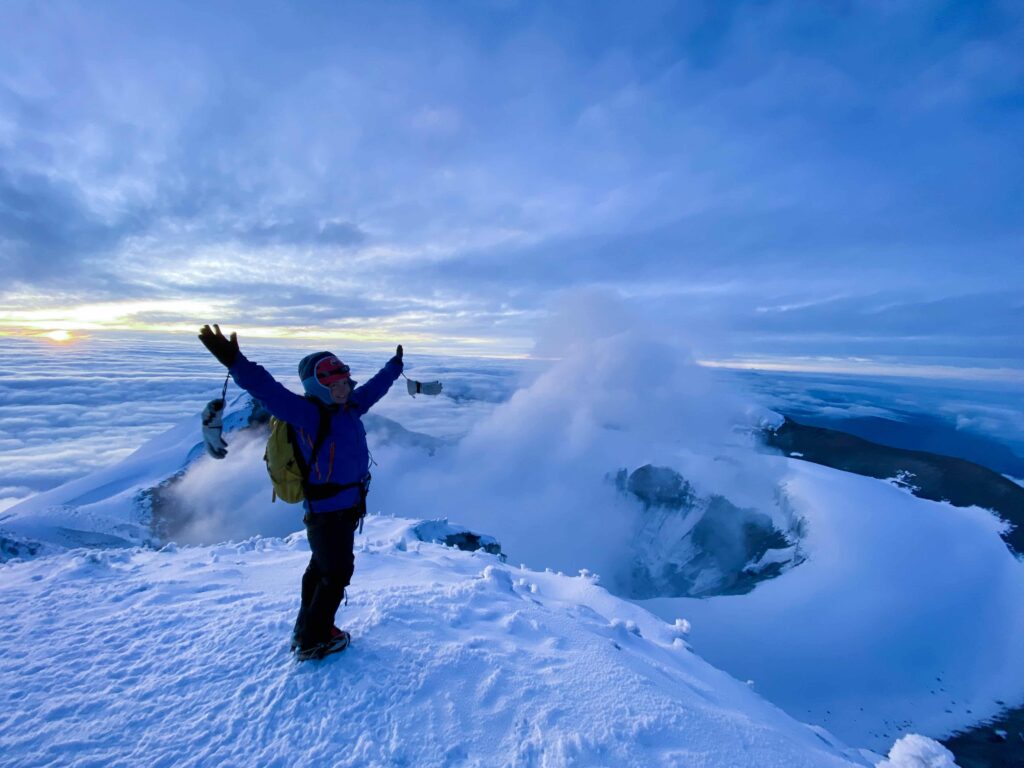
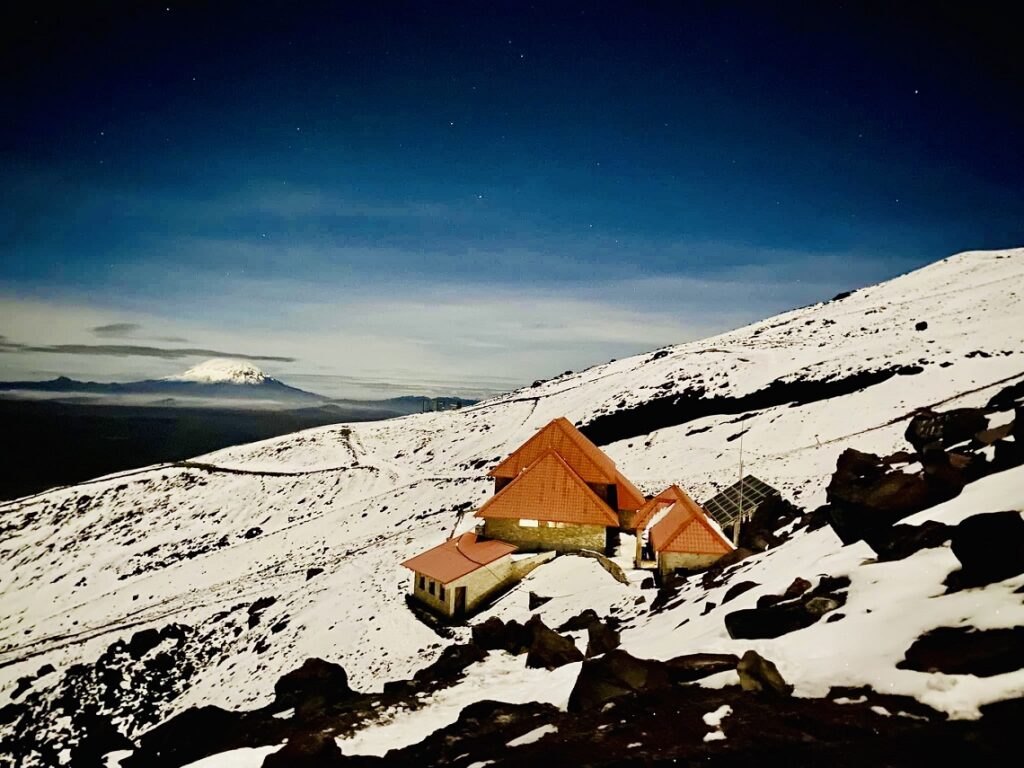
Conditions at nearly 6,000 meters are very different from conditions in Quito or the valleys below the volcano.
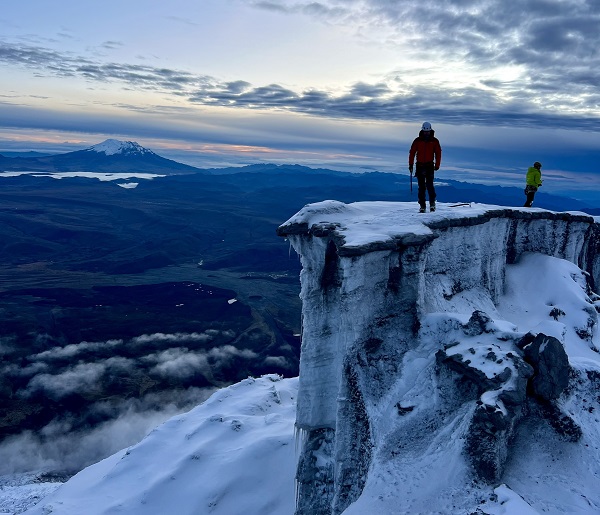
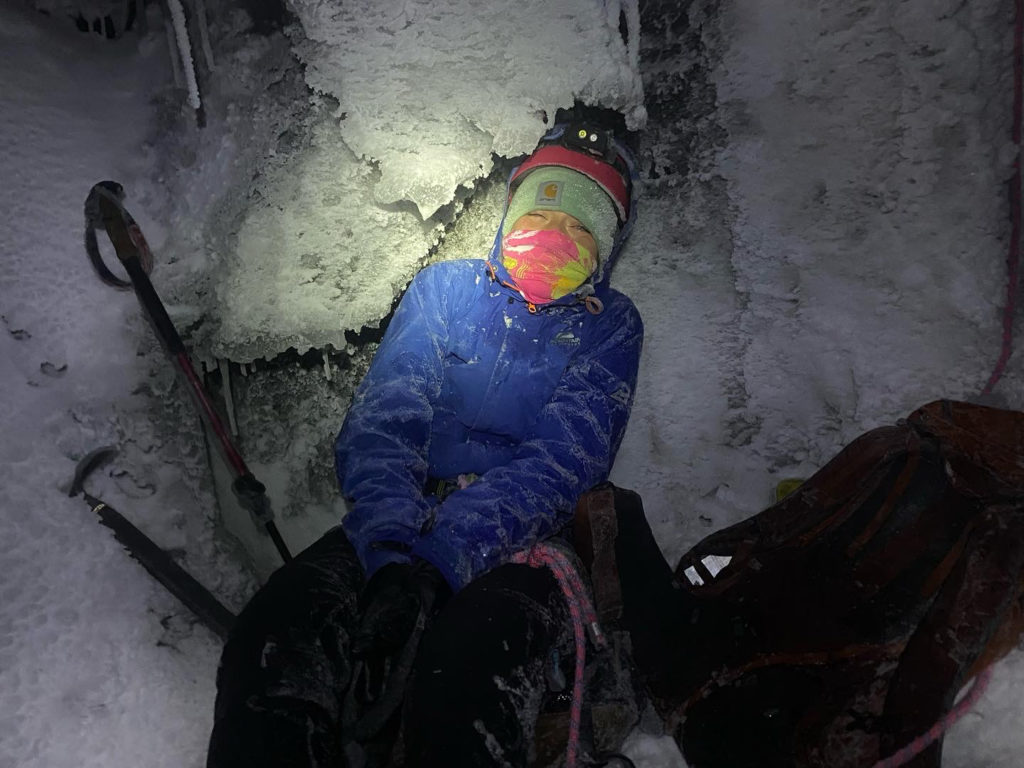
During a summit attempt, climbers may experience strong wind, snow, freezing temperatures and rapidly changing visibility.
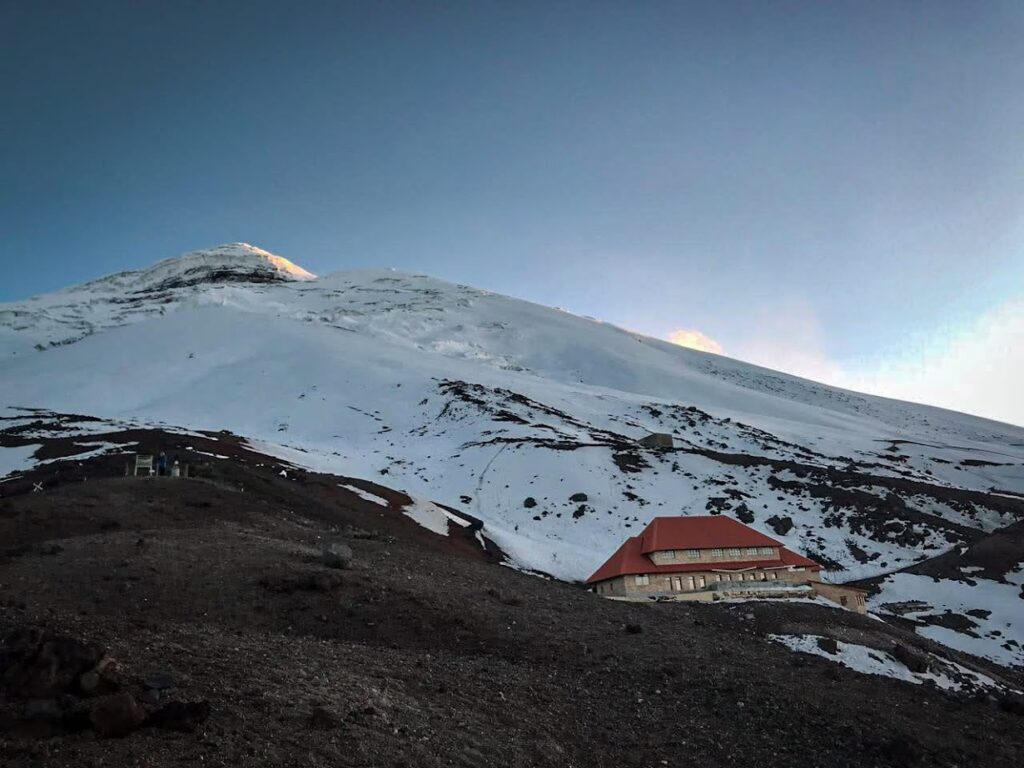
Most summit attempts begin around midnight.
Starting at night normally allows climbers to travel over the glacier during the colder part of the day and reach higher elevations before daytime warming becomes significant.
A typical summit ascent takes approximately 5–6 hours, followed by around 2–3 hours of descent, although times vary according to conditions and the climbing team.
Why Acclimatization Matters More Than Choosing the Perfect Month
Good weather does not compensate for poor acclimatization.
Cotopaxi rises to 5,897 meters, where oxygen availability is significantly lower than at sea level.
For climbers arriving directly from low altitude, attempting Cotopaxi after only one or two days in Ecuador is generally not the preparation we recommend.
A progressive acclimatization program can include mountains such as:
Pasochoa – approximately 4,200 m
Corazón – 4,788 m
Iliniza Norte – 5,126 m
These climbs allow the body to progressively adapt before attempting Cotopaxi.
For international climbers without previous acclimatization, our 6-Day Cotopaxi Acclimatization & Summit Program is one of our recommended options.
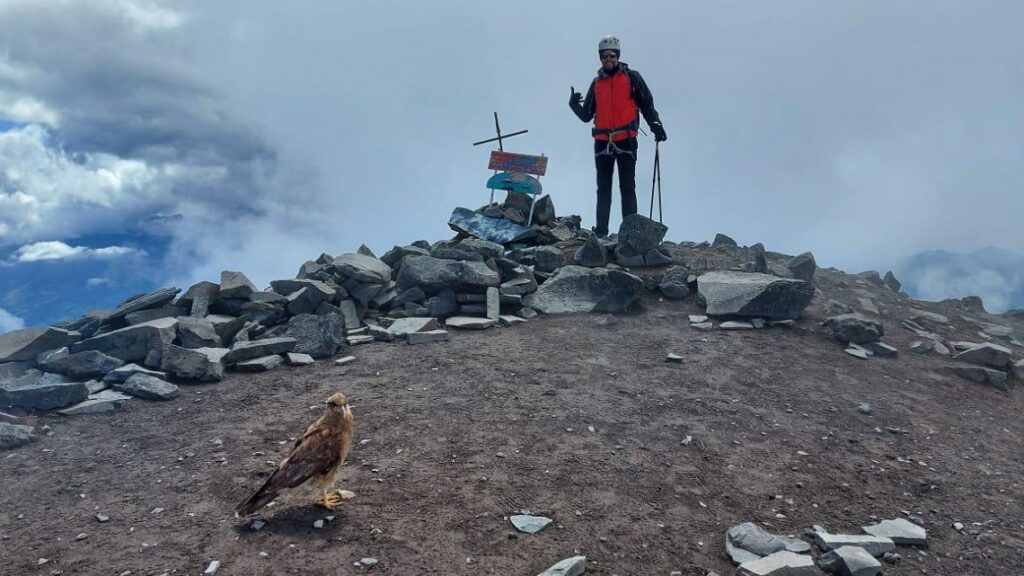
Glacier Conditions Change Throughout the Year
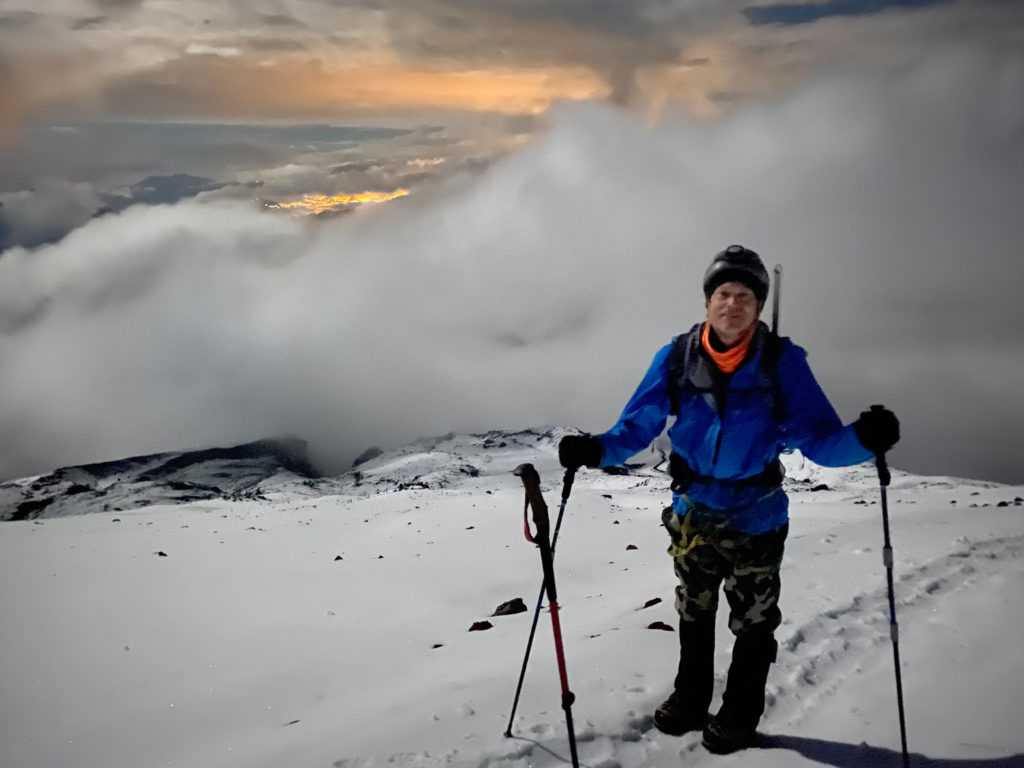
Cotopaxi is not simply a high-altitude hike.
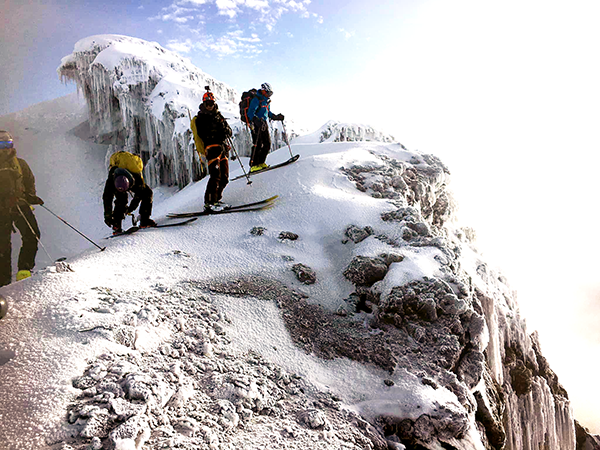
The upper mountain involves glacier travel, and the climbing route may change according to crevasses, snow accumulation and other glacier conditions.
Climbers normally use:
- Mountaineering boots
- Crampons
- Ice axe
- Harness
- Helmet
- Rope
Technical glacier equipment is included in our Cotopaxi climbing programs unless otherwise specified.
What Happens If the Weather Is Bad?
Mountain weather cannot be controlled.
Our guides continuously evaluate the conditions before and during the climb.
If conditions become unsafe because of weather, glacier hazards, snow, visibility or another objective danger, the mountain guide may modify or stop the summit attempt.
Safety always takes priority over reaching the summit.
This is why climbers with flexible travel schedules may consider adding a contingency or buffer day to their Ecuador itinerary.
So, What Is the Best Time to Climb Cotopaxi?
For most international climbers, we recommend considering:
November to February
or
June to mid-September
However, Cotopaxi can also provide good climbing opportunities during other months.
Instead of searching for one “perfect” month, we recommend focusing on four factors:
Good acclimatization + proper equipment + professional mountain guiding + favorable current conditions.
That combination provides a much stronger foundation for a safe and successful Cotopaxi expedition.
Climb Cotopaxi with Local Mountain Guides
Cotopaxi Travel organizes guided Cotopaxi expeditions with professional Ecuadorian mountain guides and local mountain logistics.
We offer options for climbers who are already acclimatized as well as complete programs that progressively prepare you for the 5,897-meter summit.
If you are planning to climb Cotopaxi, contact our team with your travel dates, previous altitude experience and number of climbers. We can recommend the most appropriate itinerary for your expedition.
Frequently Asked Questions
What is the best month to climb Cotopaxi?
There is no single guaranteed best month. November through February and June through mid-September are traditionally popular climbing periods.
Can you climb Cotopaxi all year?
Potentially, yes. Cotopaxi can be climbed throughout the year when weather, glacier and mountain conditions permit.
How high is Cotopaxi?
Cotopaxi reaches 5,897 meters (19,347 feet) above sea level.
Do I need to acclimatize before climbing Cotopaxi?
Yes. Proper acclimatization is one of the most important elements of preparing for a Cotopaxi summit attempt.
Deja una respuesta