
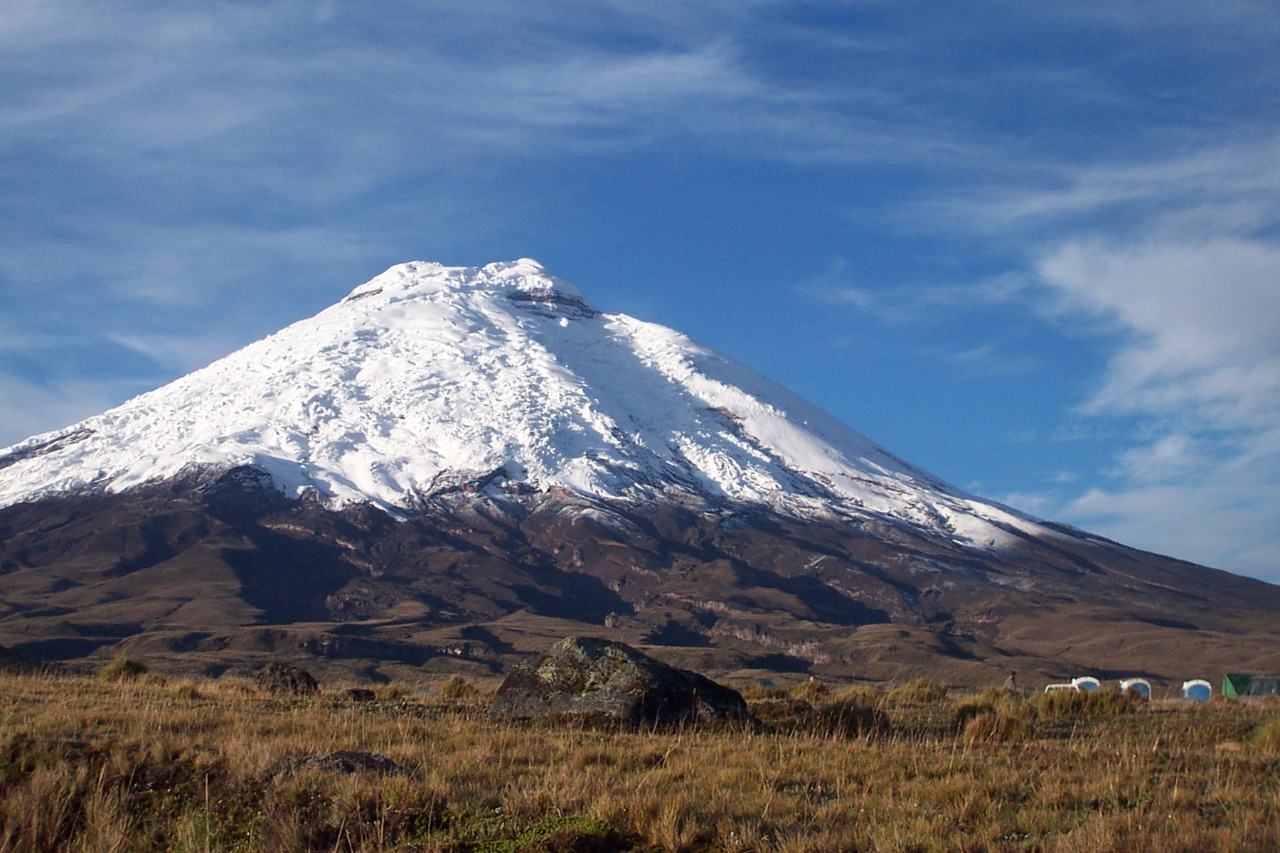
How Difficult Is Cotopaxi? Complete Climbing Guide
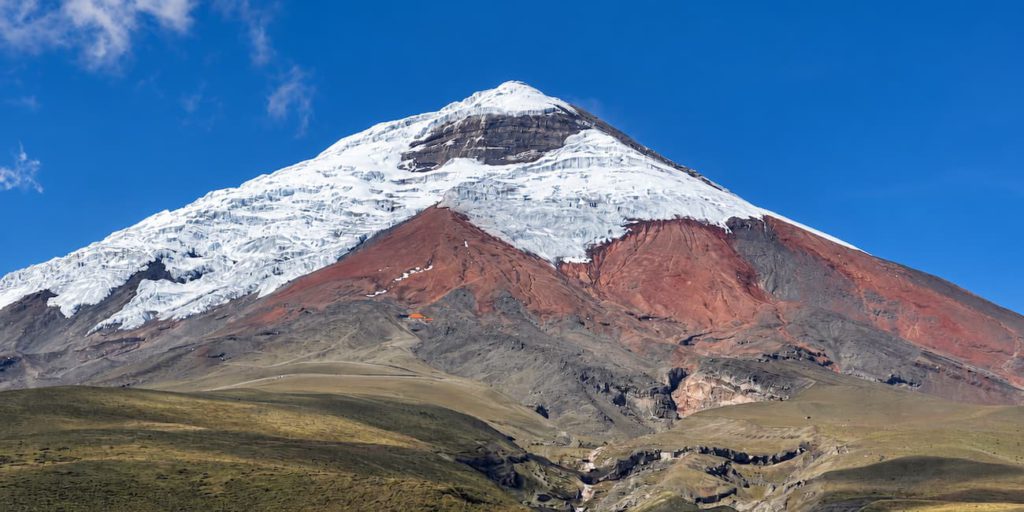
How difficult is Cotopaxi? At 5,897 m (19,347 ft), Cotopaxi is a challenging high-altitude glacier climb, but you do not need to be an expert mountaineer to attempt it.
Cotopaxi climbing difficulty comes mainly from altitude, physical endurance, cold and glacier conditions, rather than highly technical climbing.
With good fitness, proper acclimatization and professional mountain guidance, Cotopaxi can be an achievable objective even for some climbers with limited mountaineering experience.
Cotopaxi Climbing Difficulty at a Glance
| Facto | Cotopaxi |
| Summit Altitude | 5,897 m / 19,347 ft |
| Overall Difficulty | Moderate to challenging |
| Physical Demand | High |
| Technical Level | Moderate glacier mountaineering |
| Glacier Travel | Yes |
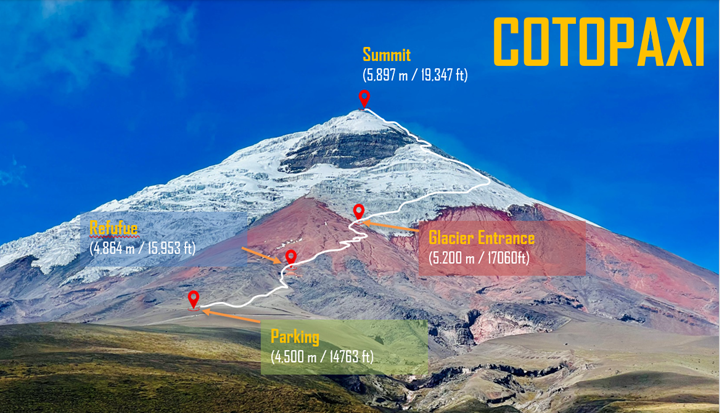
| Summit Ascent | Approx. 5–6 hours |
| Descent | Approx. 2–3 hours |
| Previous Experience | Helpful, but not always required |
| Main Challenge | Altitude and endurance |
| Acclimatization | Essential |
| Guide Ratio | Maximum 2 climbers per guide on the glacier |
For most climbers, the greatest challenge is not advanced climbing technique. It is maintaining a steady pace for several hours while approaching 6,000 meters above sea level.
Can Beginners Climb Cotopaxi?
Yes, some well-prepared beginners can climb Cotopaxi with professional guidance.
Previous glacier experience is helpful, but it is not always required. A climber with good hiking fitness, proper acclimatization and the ability to learn basic glacier techniques may be able to attempt the summit.
However, Cotopaxi is not a normal trekking mountain.
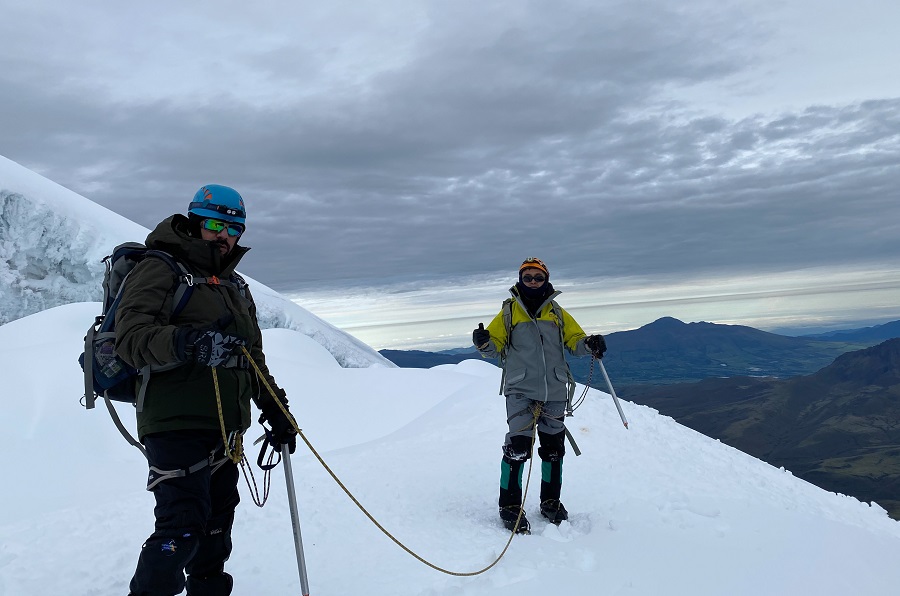
The upper mountain is glaciated, and climbers normally use:
- Mountaineering boots
- Crampons
- Ice axe
- Harness
- Helmet
- Rope
Professional mountain guides evaluate each climber’s fitness, response to altitude and ability to move safely before and during the ascent.
Is Cotopaxi a Technical Climb?
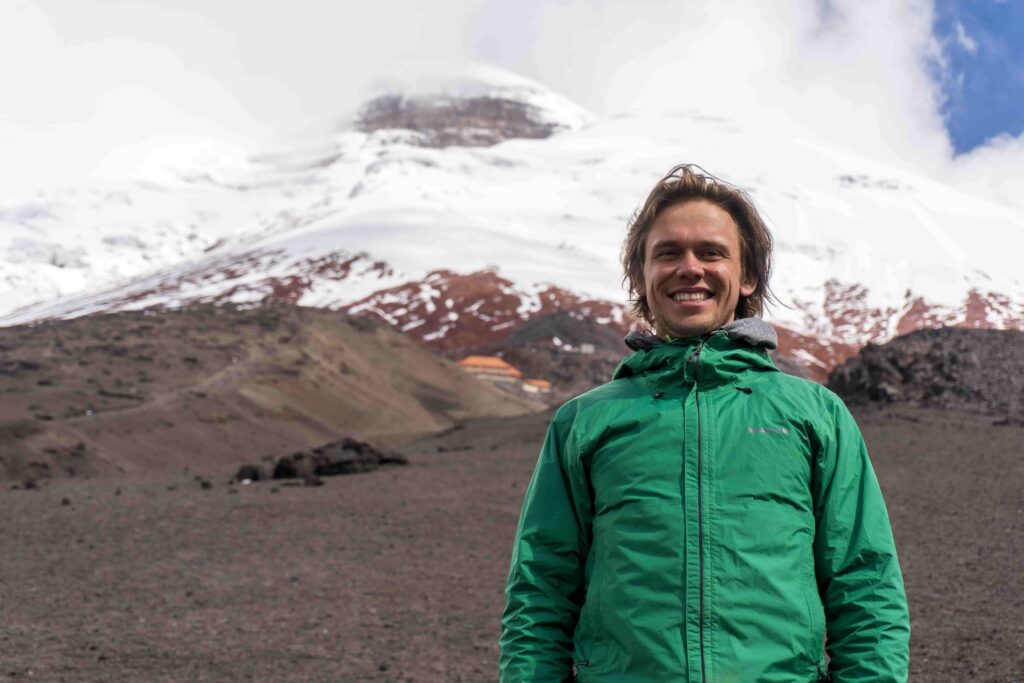
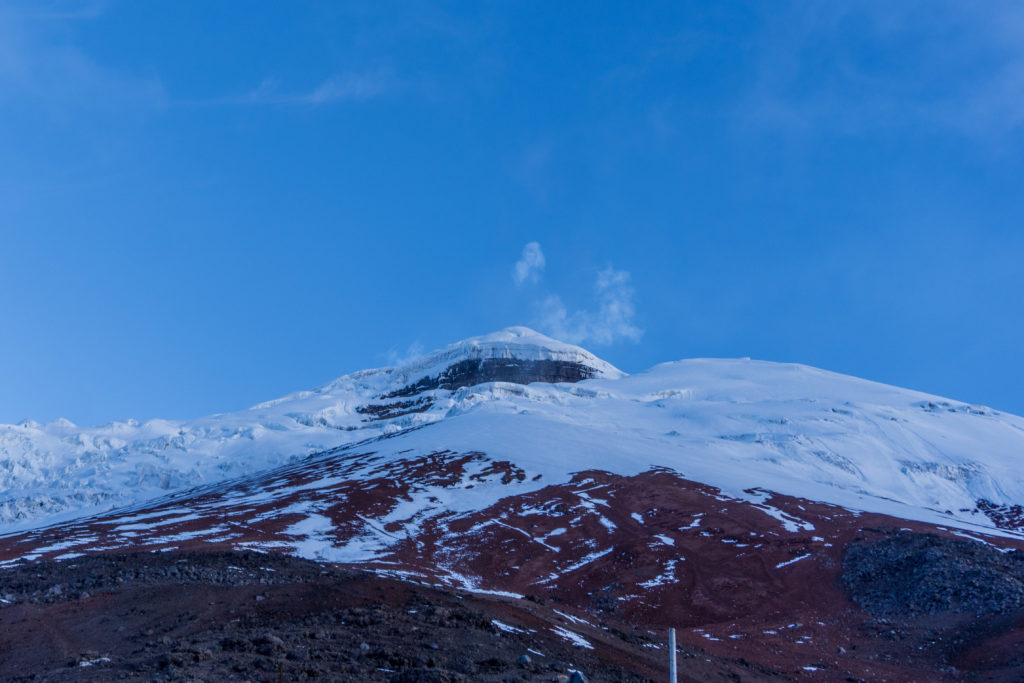
The normal Cotopaxi route is generally considered a moderate glacier mountaineering climb, rather than an advanced technical ice or rock ascent.
Depending on current conditions, climbers may encounter:
- Crevasses
- Snow and ice
- Steeper glacier sections
- Strong wind
- Reduced visibility
- Changing glacier routes
Cotopaxi’s glacier changes continuously. This means the route and Cotopaxi climbing difficulty can vary according to current snow, ice and glacier conditions.
Current mountain assessment is therefore essential.
The Biggest Challenge: Altitude
For many climbers, altitude is the hardest part of climbing Cotopaxi.
At 5,897 meters, reduced oxygen affects physical performance—even in very fit athletes.
This is an important distinction:
Fitness is not the same as acclimatization.
A strong athlete arriving directly from sea level may struggle more than a moderately fit climber who has progressively adapted to altitude.
A good acclimatization progression before Cotopaxi can include:
Pasochoa – approx. 4,200 m
↓
Corazón – 4,788 m
↓
Iliniza Norte – 5,126 m
↓
Cotopaxi – 5,897 m
This progressive approach allows the body to adapt before the final summit attempt.
How Fit Do You Need to Be to Climb Cotopaxi?

You do not need to be a professional athlete, but good cardiovascular endurance and mountain fitness are important.
Useful preparation includes:
- Uphill hiking
- Hiking with a backpack
- Long mountain days
- Stair climbing
- Trail running
- Cycling
- Leg and core strength training
The objective is not to climb as fast as possible.
You need the endurance to maintain a slow, steady and consistent pace for several hours at high altitude.
What Is Cotopaxi Summit Day Like?
The summit attempt normally begins around midnight.
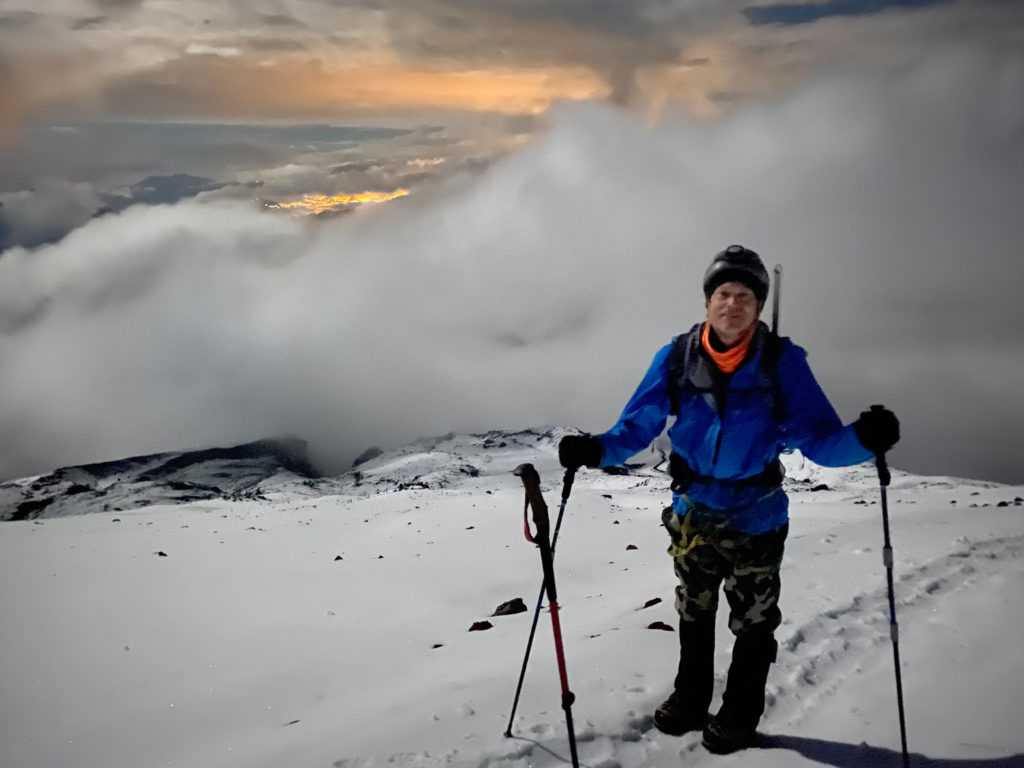
Climbers ascend through the night when temperatures are low and the glacier is generally colder.
The ascent from the refuge area to the summit typically takes approximately 5–6 hours, followed by around 2–3 hours of descent.
Actual times depend on fitness, acclimatization, weather, snow and glacier conditions.
Reaching the summit is only half of the climb. Climbers must maintain enough physical and mental energy for a safe descent.
So, How Difficult Is Cotopaxi?
Cotopaxi is challenging but achievable for many properly prepared climbers.
You do not necessarily need years of technical mountaineering experience.
The most important factors are:
Good fitness + proper acclimatization + basic glacier skills + appropriate equipment + professional mountain guidance.
For many climbers, the biggest mistake is focusing entirely on technical difficulty while underestimating the altitude.
Prepare physically, acclimatize progressively and approach the mountain with respect.
Frequently Asked Questions About Cotopaxi
Can a beginner climb Cotopaxi?
Some fit beginners with proper acclimatization can attempt Cotopaxi with professional guidance and basic glacier instruction.
Do I need previous mountaineering experience?
Previous experience is helpful but not always required. Good fitness, acclimatization and the ability to learn basic glacier techniques are important.
Do I need crampons to climb Cotopaxi?
Yes. Cotopaxi is a glacier climb, and crampons and other technical mountaineering equipment are normally required.
How long does it take to climb Cotopaxi?
The summit ascent typically takes approximately 5–6 hours, followed by around 2–3 hours of descent, depending on conditions and the climbing team.
Is Cotopaxi harder than Chimborazo?
Chimborazo, at 6,268 m (20,564 ft), is generally more physically demanding because of its greater altitude and longer high-altitude summit effort.
Ready to Climb Cotopaxi?
Your ideal Cotopaxi program depends on your fitness, previous altitude experience and current acclimatization.
Already acclimatized? Explore our 2-Day Cotopaxi Summit Climb.
Need progressive acclimatization? Discover our 6-Day Cotopaxi Acclimatization & Summit Program.
Not sure when to travel? Read our Best Time to Climb Cotopaxi: Weather & Climbing Seasons guide.