- Overview
- Trip Outline
- Trip Includes
- Trip Excludes
- Gallery
- FAQ
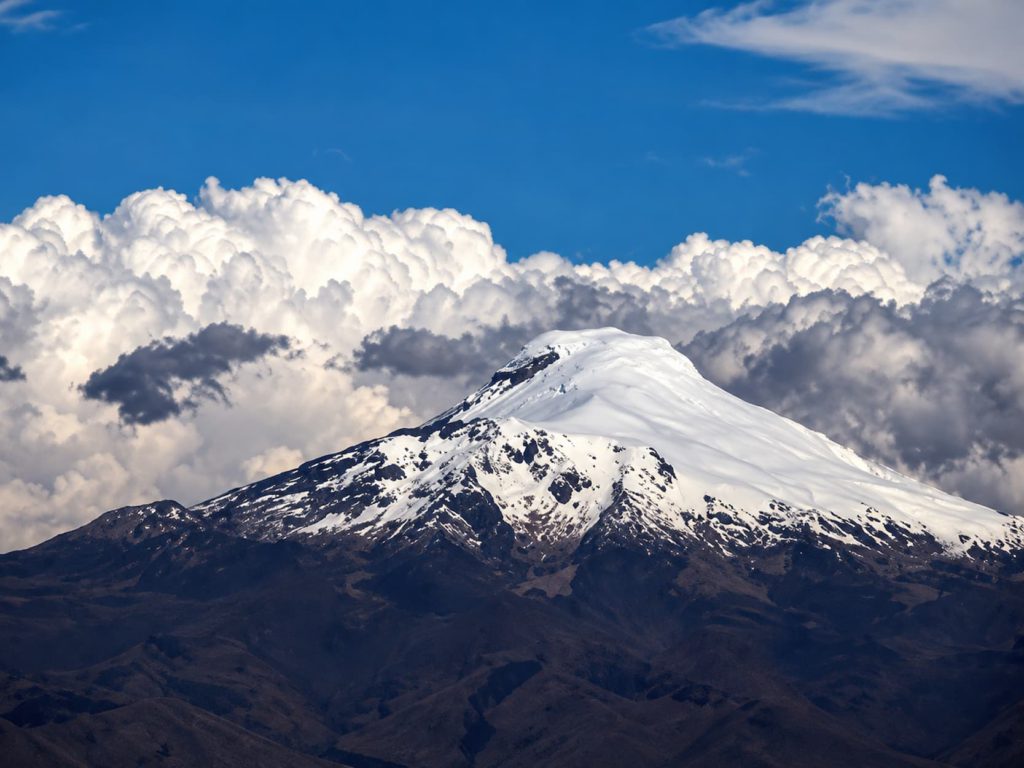
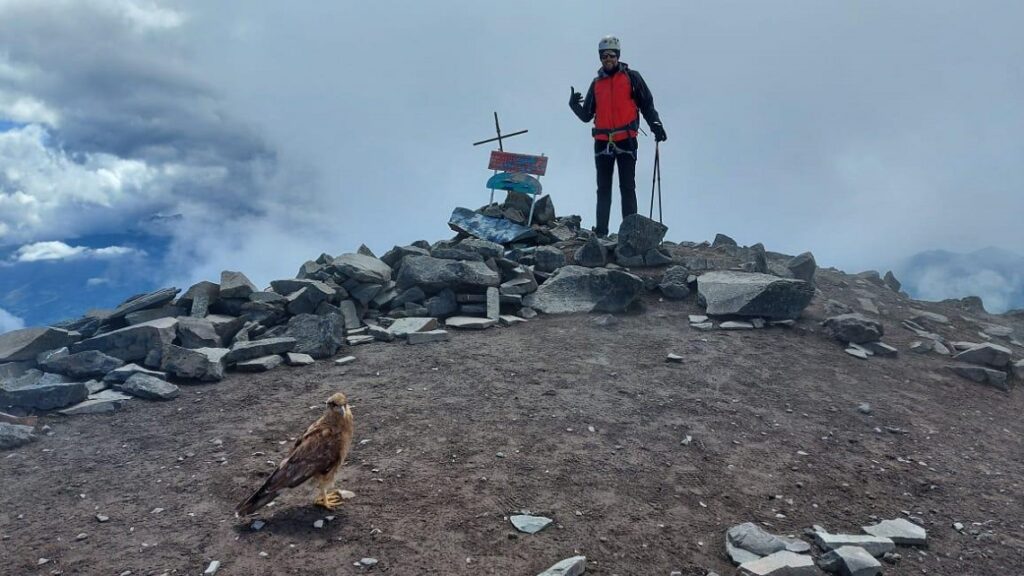
This 9-day expedition is designed to build the acclimatization and glacier skills needed for Cotopaxi and Chimborazo. The program progresses through Pasochoa, Corazón and Iliniza Norte, with time at Quilotoa, before the Cotopaxi summit attempt.Technical preparation includes crampon use, ice axe skills and rope-team travel, allowing climbers to train before summit day rather than learn under pressure. After Cotopaxi, recovery time in Baños prepares the body for the final objective: Chimborazo at 6,268 m / 20,564 ft, Ecuador’s highest mountain. All mountain days are led by ASEGUIM/UIAGM-certified Ecuadorian guides, with a maximum ratio of two climbers per guide on glacier terrain
No details found.
Itineraries
Día 1
Hike Pasochoa Volcano
Pickup at 8:00 and a two-hour drive to the Pasochoa protected forest, an extinct volcano whose collapsed crater shelters one of the last remnants of native Andean woodland near Quito. The trail climbs through that forest and out onto open páramo, steepening to the summit. A hike rather than a climb — and exactly what a first day at altitude should be.
- Altitude: 4,200 meters (13,779 ft)
- Meals: Box Lunch/Dinner
- Accommodation: Ilinizas Mountain Lodge https://www.ilinizas-mountain-lodge.com/
- Distance: 11 km (round Trip)
- Duration: 5 to 9 h
Día 2
Corazón Volcano Summit
A 7:00 start from El Chaupi and a drive to the trailhead at 4,000 m. The route climbs steadily through páramo grass onto sandy scrambling ground, with the Ilinizas at your back and Cotopaxi across the valley on a clear morning. About six hours on the mountain, then back to the lodge to sleep at 3,300 m.
- Altitude: 4,788 meters (15,778 ft)
- Meals: Breakfast/Box Lunch/Dinner
- Accommodation: Ilinizas Mountain Lodge https://www.ilinizas-mountain-lodge.com/
- Distance: 8 y 15 km (round Trip)
- Duration: 4 hours
Día 3
Iliniza Norte Summit
Leave at 7:30 for the La Virgen trailhead at 3,900 m, then roughly three hours over volcanic sand and scree to the Nuevos Horizontes Refuge at 4,750 m. Harness and helmet go on for the saddle and the summit ridge, an easy scramble on volcanic rock with a few exposed steps. This is the day that puts you within 800 metres of Cotopaxi’s height — the single most useful acclimatization climb in the Avenue of the Volcanoes.
- Altitude: 5.126 meters (16.818 feet)
- Meals: Breakfast/Box Lunch/Dinner
- Accommodation: Ilinizas Mountain Lodge https://www.ilinizas-mountain-lodge.com/
- Distance: 10 km (round Trip)
- Duration: 6 to 8 hours
Día 4
Quilotoa Lagoon Rest Day
A scenic drive west with a stop in the Tigua community, known across Ecuador for its painted leather work. At Quilotoa the caldera opens at your feet and a turquoise crater lake sits 250 metres below the rim. Walk down to the water in about an hour if you want to, or stay on the rim. Lunch, then the three-hour drive back to El Chaupi. Active recovery rather than training — the body is still adapting.
- Altitude: 3,914 meters (12.841 feet)
- Meals: -/Breakfast/Dinner
- Accommodation: Ilinizas Mountain Lodge https://www.ilinizas-mountain-lodge.com/
- Distance: 108 km (round trip)
- Duration: 4 hours
Día 5
Cotopaxi Refuge
South through the Avenue of the Volcanoes into Cotopaxi National Park and up to the parking area at 4,500 m. About an hour on the volcanic sand trail brings you to the refuge, with the glacier directly overhead. Final check of crampons, harness and rope, an early dinner, and rest until midnight — when the packs come out for the summit.
- Altitude: 5,897 meters (19,347 ft.)
- Meals: Breakfast/Lunch/Dinner
- Accommodation: Cotopaxi Refuge (Jose Rivas)
- Distance: 1.5 km (from parking lot to refuge)
- Duration: 1 hour hike
Día 6
Cotopaxi Summit
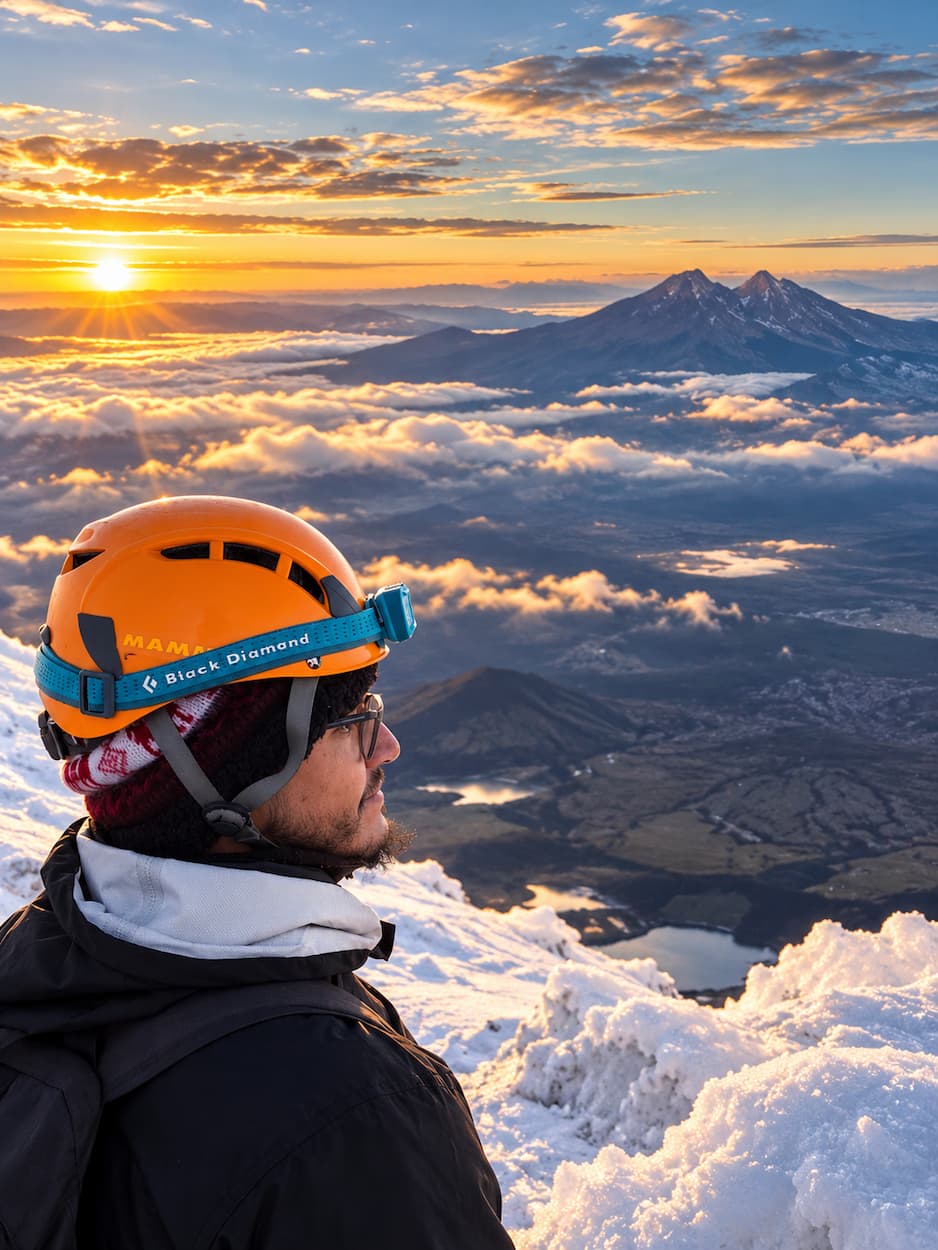
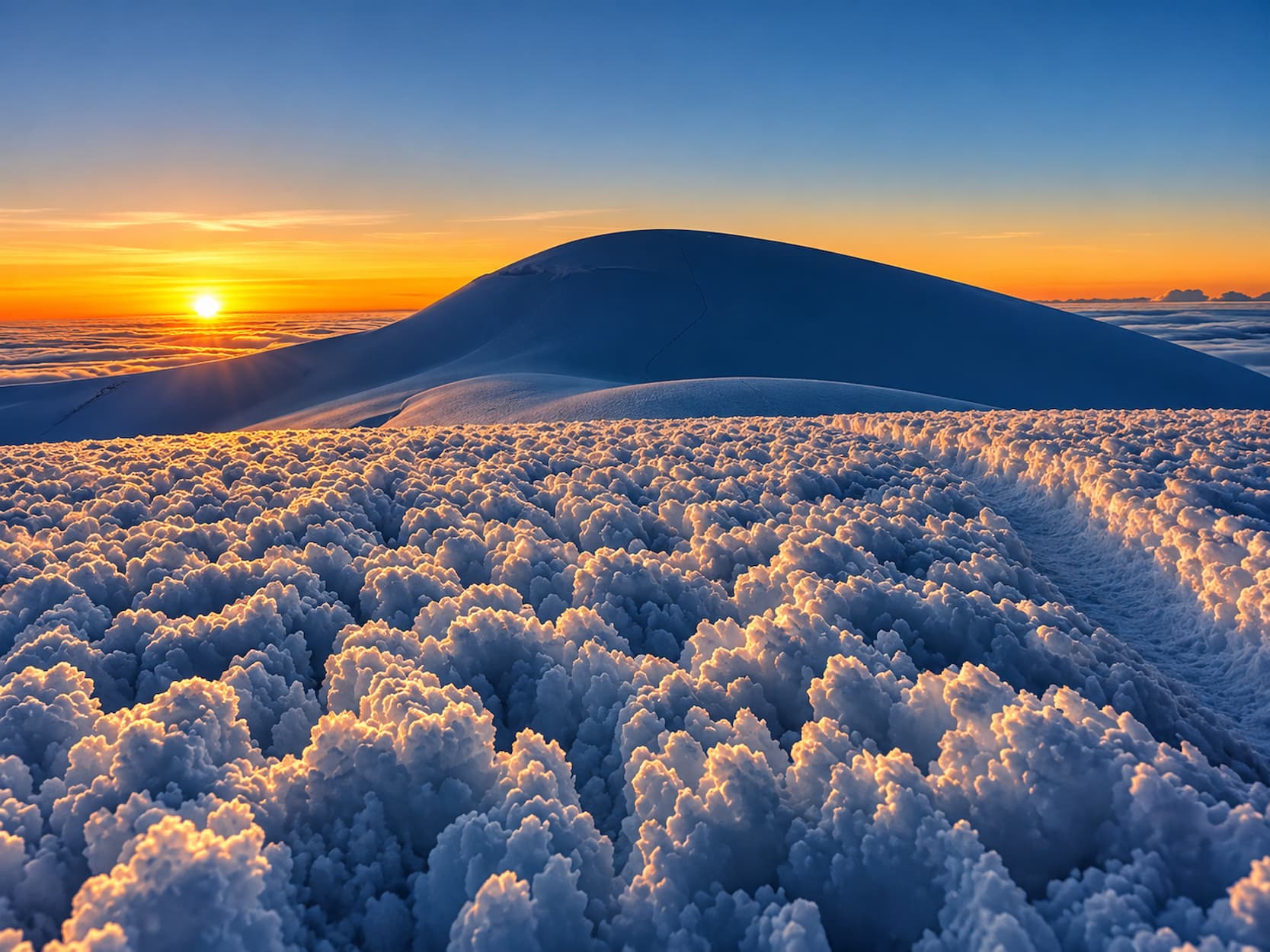
Midnight wake-up, away around 1:00. Volcanic sand and rock to the edge of the glacier, then rope up and fit crampons for the snow slopes between crevasses and séracs, moving through the coldest and most stable hours of the night. Six to eight hours to the crater rim, timed for sunrise over the Andes; two to three hours back down to the refuge. From there we drop all the way to Baños, at 1,800 m, and the recovery that Chimborazo is going to need.
- Altitude: 5,897 meters (19,347 ft.)
- Meals: Breakfast/-/Dinner
- Accommodation: Hotel Chimenea
- Distance: Climb 10 k (round trip)
- Duration: 5 - 6 hours to the summit
Día 7
Baños City Free Day
A full day off at the foot of Tungurahua, in cloud forest and thermal springs after a week above 3,000 m. Walk the waterfall road to the Pailón del Diablo, soak in the baths, or do nothing at all. Rafting, rock climbing, bungee jumping, mountain biking and horseback riding are available locally at extra cost.
- Altitude: 1,800 meters (5,905 ft)
- Meals: Breakfast/-/-
- Accommodation: Hotel Chimenea
- Distance: ---
- Duration: ---
Día 8
Chimborazo High Camp
Meet the guides around 9:00 and drive into the Chimborazo wildlife reserve, through the high sand desert where reintroduced vicuñas graze below the mountain, to the Hermanos Carrel refuge. Two to three hours of uphill walking bring you to High Camp. Gear check, dinner, and rest until 23:00, with a light breakfast before departure. The highest night of the expedition, in four-season tents.
- Altitude: 5,300 meters (17,388 ft)
- Meals: Breakfast, Lunch, Dinner
- Accommodation: Overnight in 4- season tents or Domes
- Distance: 2.5 km (hike), Transfer (110 km)
- Duration: 2 - 3 hours (hike including breaks)
Día 9
Chimborazo Summit
Away at midnight. Five to seven hours of climbing to the summit including breaks, on the normal route as current glacier conditions allow — the longest and highest day of the expedition, and the one every day before it was preparation for. Three to four hours to descend to the refuge, pack, and transfer to Quito. End of services.
- Altitude: 6,268 meters (20,702 feet)
- Meals: Breakfast/-/-
- Accommodation: ---
- Distance: 9 km (Round Trip)
- Duration: 5 - 7 hours to the summit (including breaks)
- Certified ASEGUIM / UIAGM mountain guides
- English-speaking mountain instruction
- Private transportation during the program
- Accommodation according to the itinerary
- 2 nights hotel in Quito
- 2 nights at Ilinizas Mountain Lodge
- 3 nights at Cayambe Refuge
- 1 night in Papallacta
- 1 night at Cotopaxi Refuge
- Breakfast from Day 2 to Day 10
- Lunch / packed lunch from Day 2 to Day 9
- Dinner from Day 2 to Day 8
- Technical glacier and mountaineering training
- Cayambe summit attempt
- Cotopaxi summit attempt
- Technical climbing equipment:
- Mountaineering boots
- Crampons
- Ice axe
- Harness
- Helmet
- Ropes and technical training equipment
- National park and refuge arrangements
- Equipment fitting
- Scheduled transfers according to the itinerary
- International flights
- Personal travel and mountain insurance
- Emergency evacuation expenses
- Personal climbing and trekking clothing
- Sleeping bag
- Backpack
- Headlamp
- Glacier sunglasses / goggles
- Personal water bottle or hydration system
- Personal medications and toiletries
- Drinks and personal snacks
- Arrival-day meals
- Dinner on the final evening in Quito
- Tips for guides, drivers and staff
- Extra hotel nights
- Private room upgrades
- Additional equipment not specified above
- Extra acclimatization or weather days
- Activities or transportation outside the itinerary
- Chimborazo extension
- Any service not specified in the confirmed program

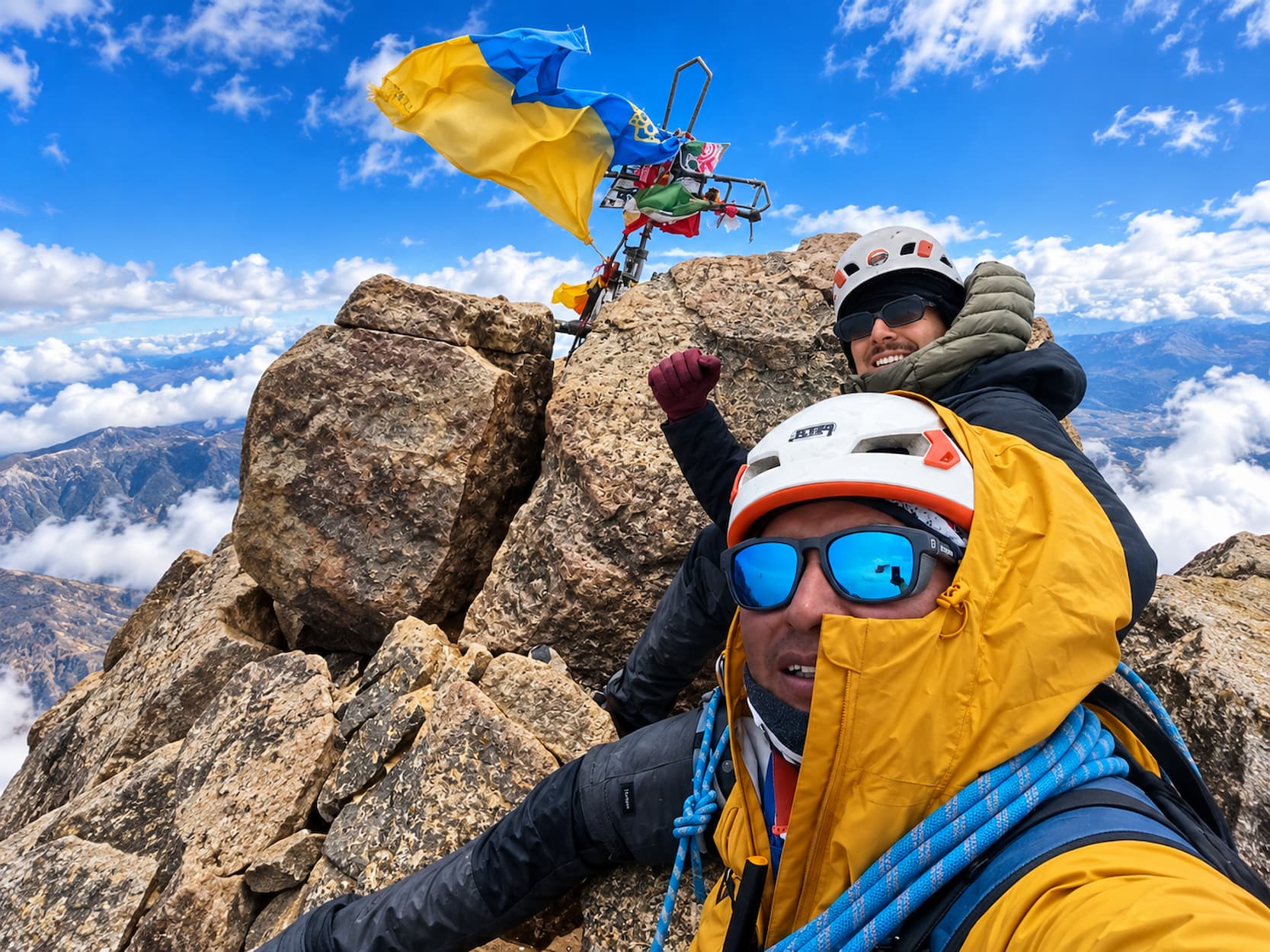
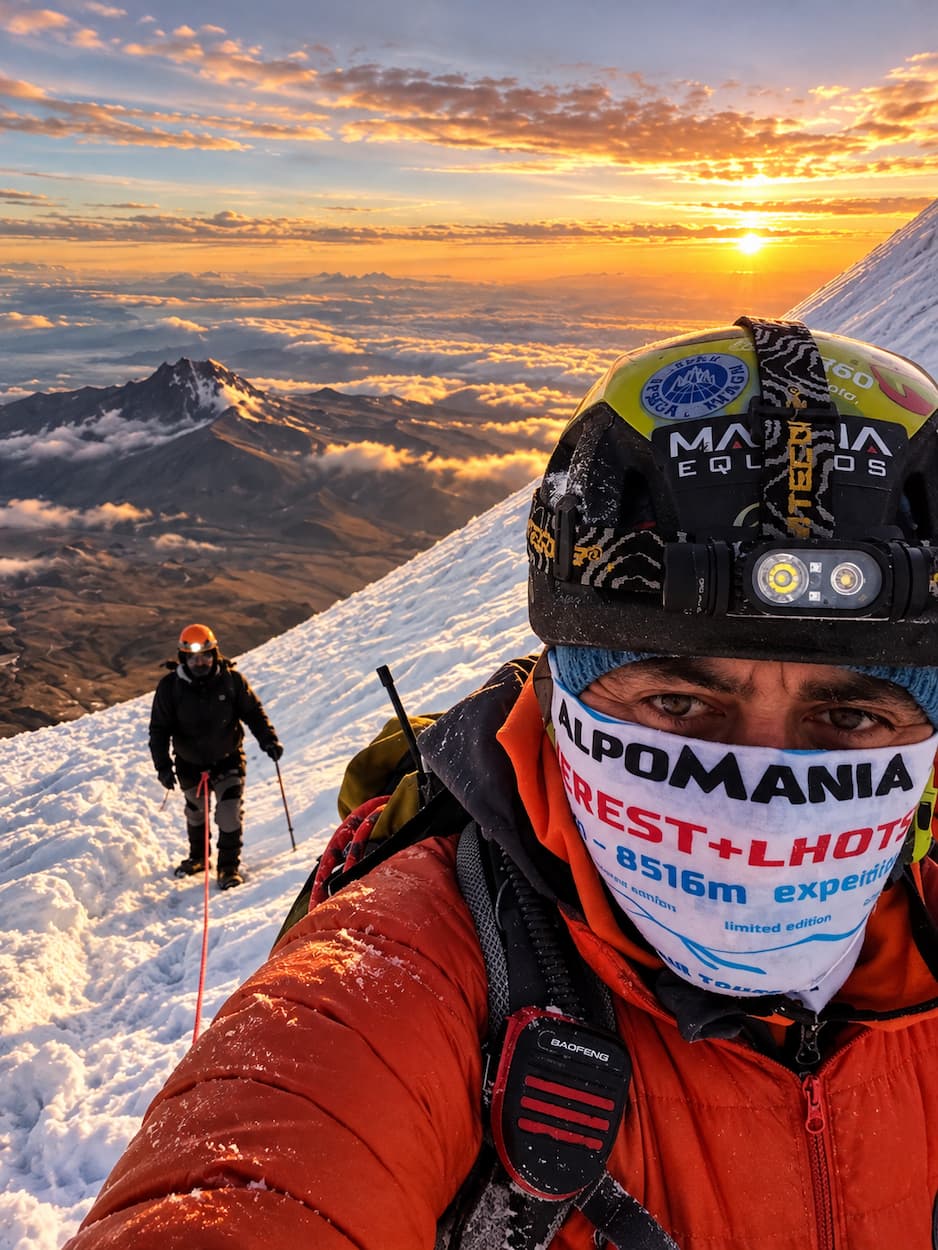
Previous experience is helpful but not always required. Good fitness, proper acclimatization and the ability to follow glacier-safety instructions are essential. Basic crampon, ice axe and rope-team skills are reviewed during the program.
This is a demanding high-altitude expedition. The main challenges are altitude, cold, long summit days and glacier travel rather than highly technical climbing.
The expedition builds altitude progressively through climbs such as Pasochoa, Corazón and Iliniza Norte before the Cotopaxi summit attempt. This helps prepare the body for higher elevations later in the program.
Cotopaxi reaches 5,897 m / 19,347 ft, while Chimborazo reaches 6,268 m / 20,564 ft, making it the highest mountain in Ecuador.
The standard technical equipment includes mountaineering boots, crampons, ice axe, harness and helmet. Ropes and shared glacier-safety equipment are also provided for guided climbs.
You should bring appropriate mountain clothing, thermal layers, waterproof shell, insulated jacket, gloves, glacier sunglasses or goggles, headlamp, backpack, water containers and personal items. A sleeping bag may also be required depending on the accommodation used.
Technical mountaineering equipment can include items such as boots, crampons, ice axe, harness and helmet. Personal clothing, layering systems and other individual equipment should be confirmed before departure.
The itinerary includes recovery time after Cotopaxi before continuing to Chimborazo. This helps climbers rest, rehydrate and prepare for the higher final summit objective.
Both mountains can be climbed during much of the year. The main climbing periods are generally November to February and June to mid-September, although weather and glacier conditions vary.
Summits are never guaranteed. Weather, glacier conditions, altitude symptoms or other safety concerns may require the guide to turn around, change the route or modify the program. Safety always takes priority over reaching the summit.