
- Overview
- Trip Outline
- Trip Includes
- Trip Excludes
- Gallery
- FAQ
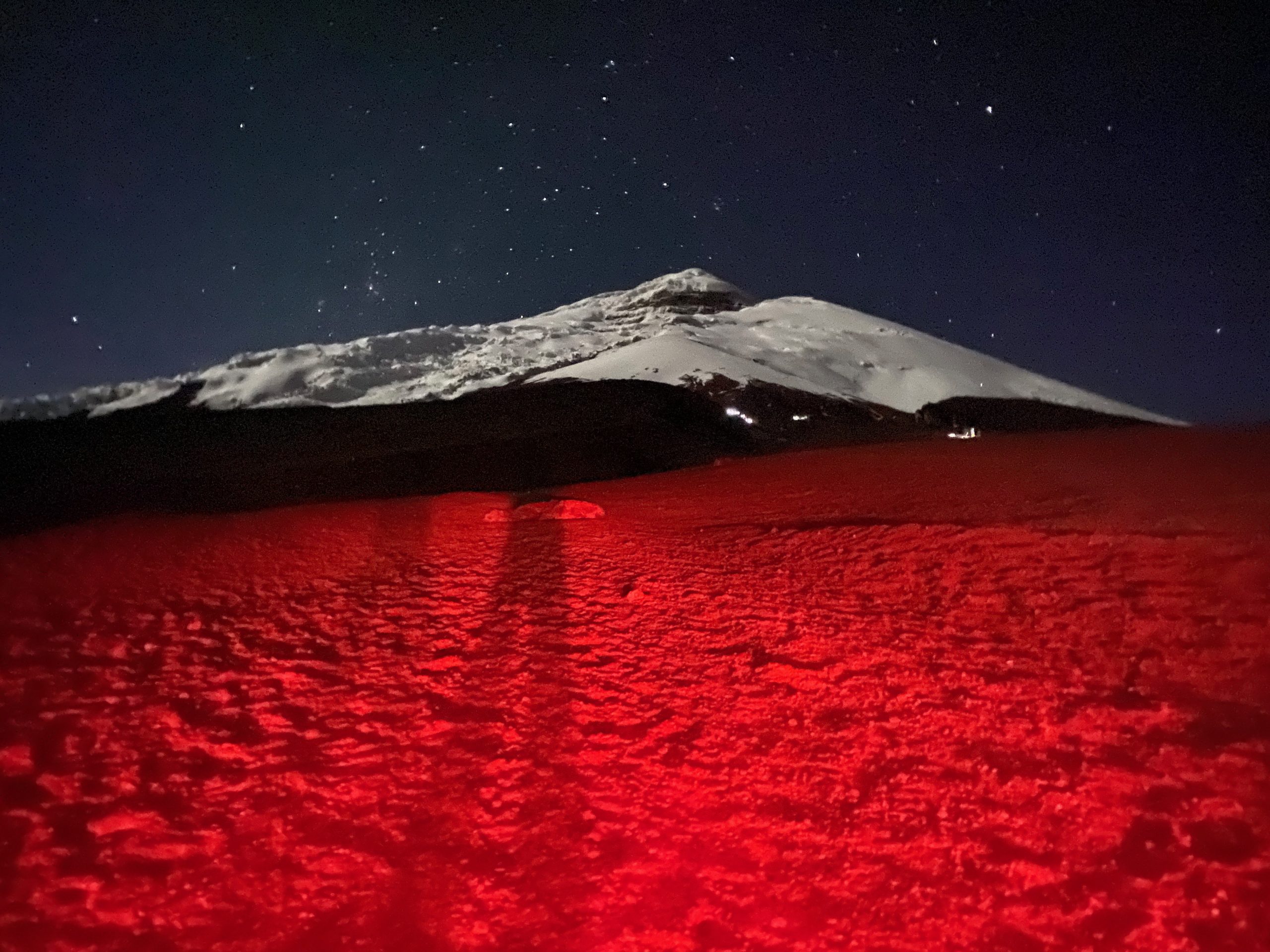
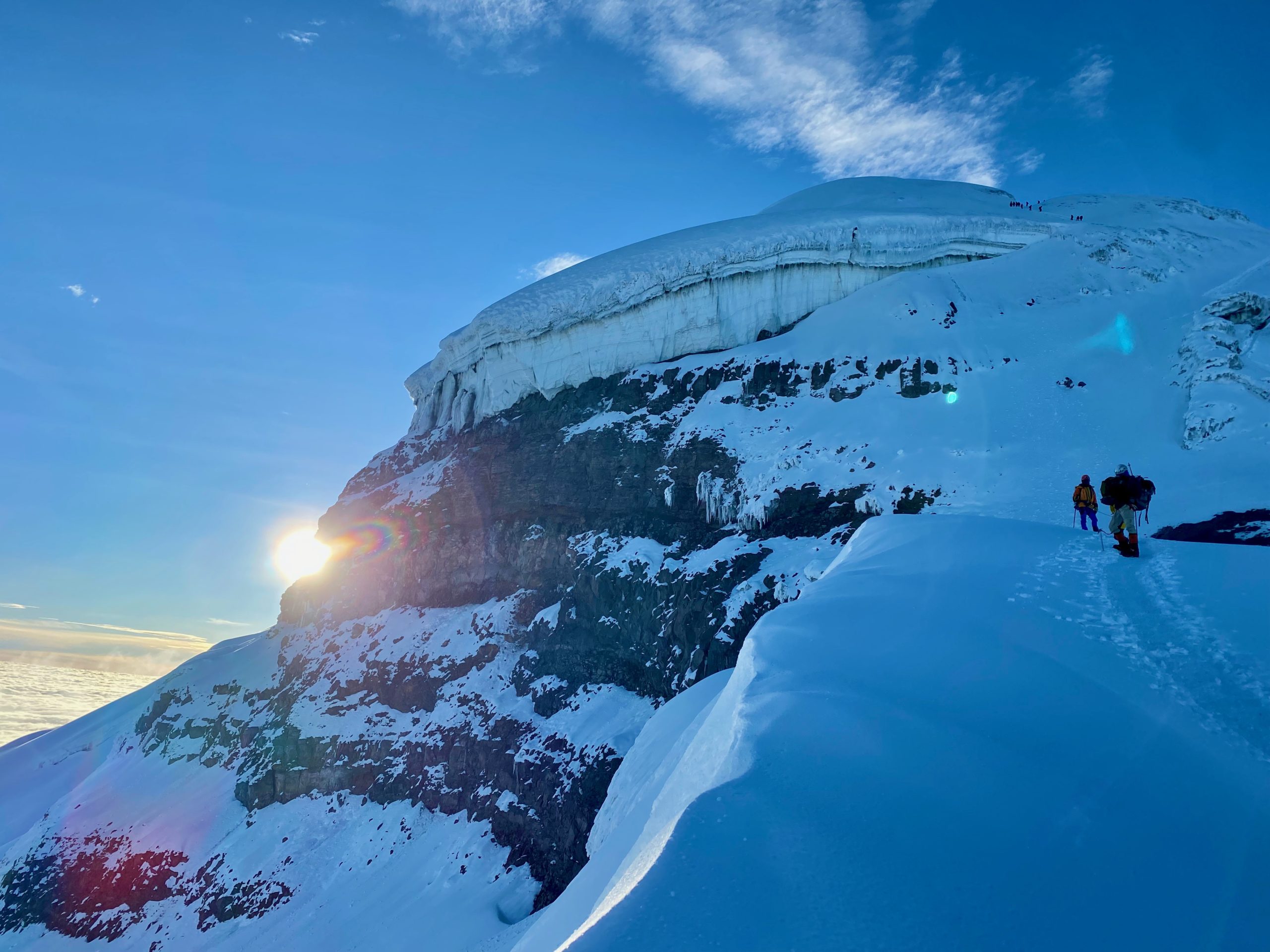
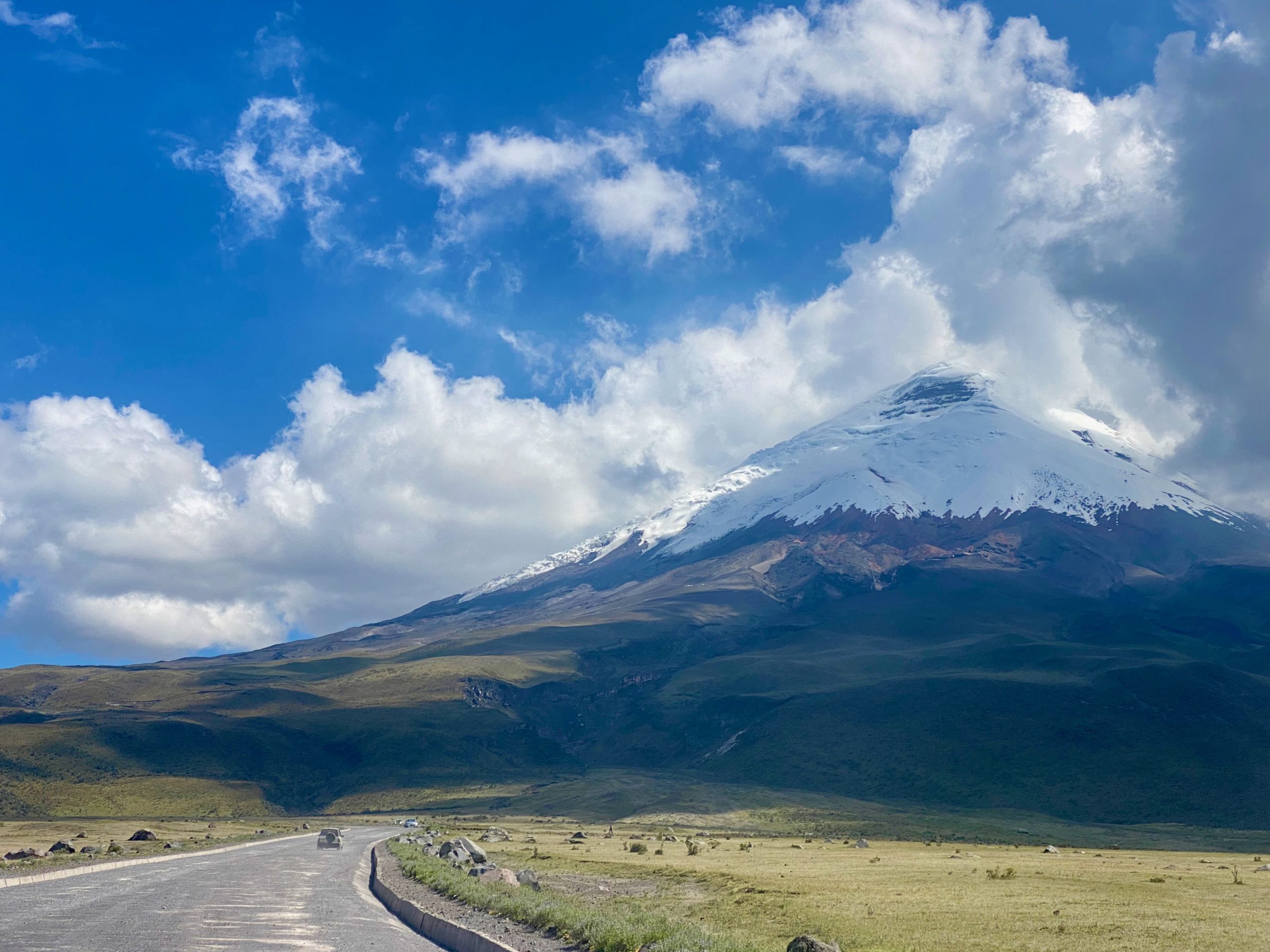
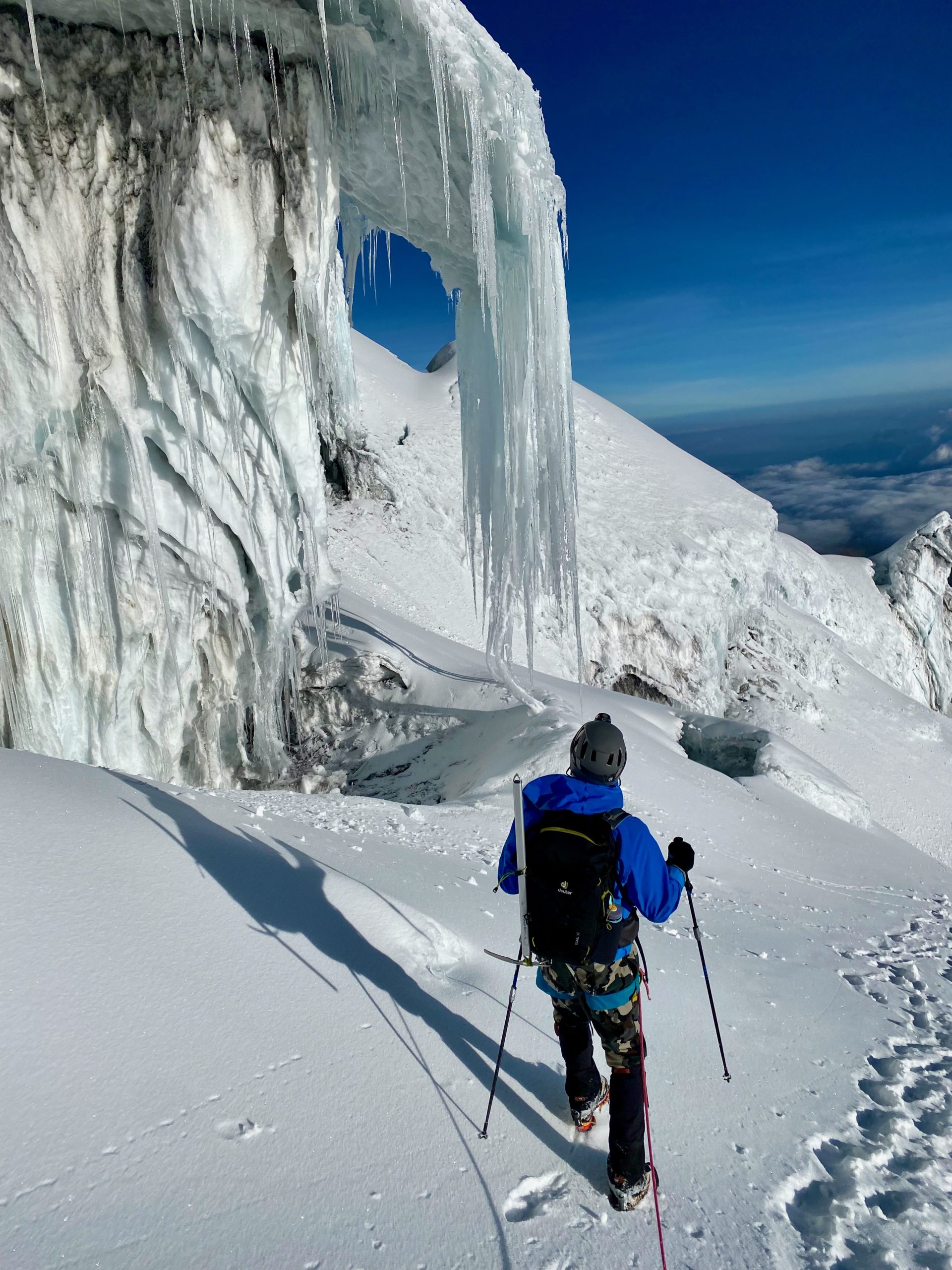
Climb Cotopaxi (5,897 m / 19,347 ft), one of the highest active volcanoes in the world, with an ASEGUIM/UIAGM-certified guide. The program starts in Quito, stops at Ilinizas Mountain Lodge in El Chaupi to prepare equipment, and continues to the José Ribas Refuge. The summit push starts at night to reach the top at sunrise and descend while the snow is still firm.
No details found.
Itineraries
Day 1
Quito – El Chaupi – José Ribas Refuge
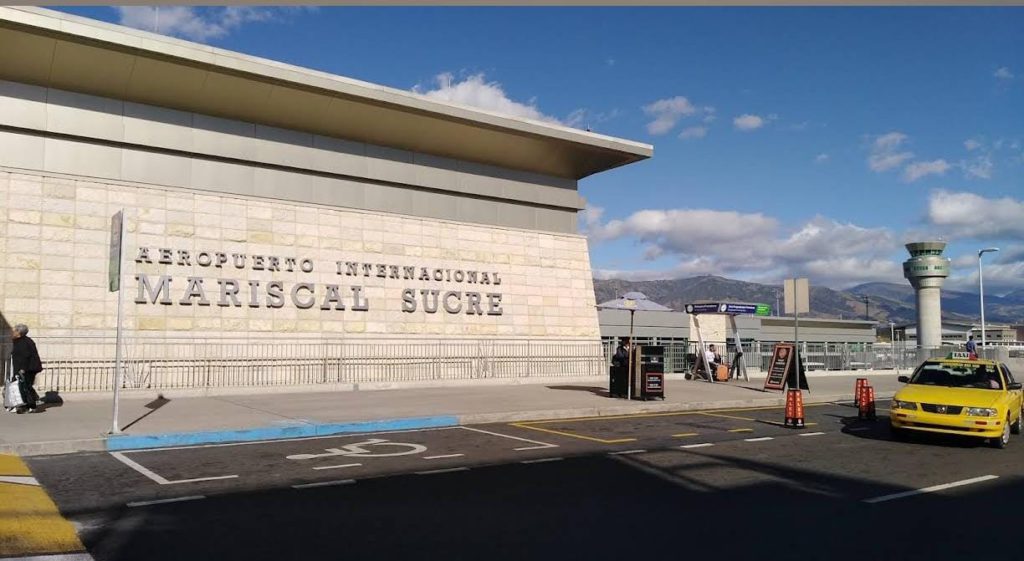
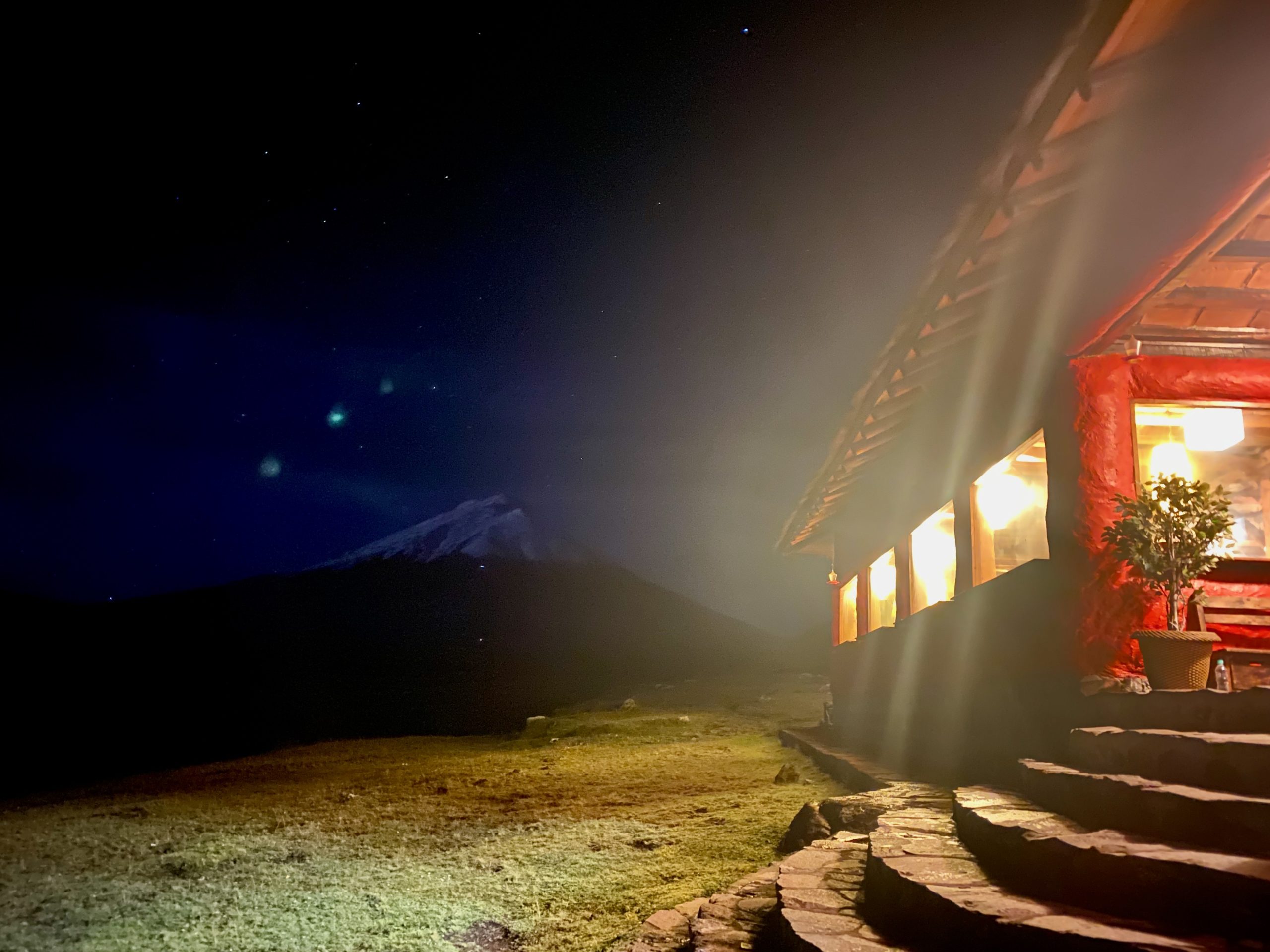
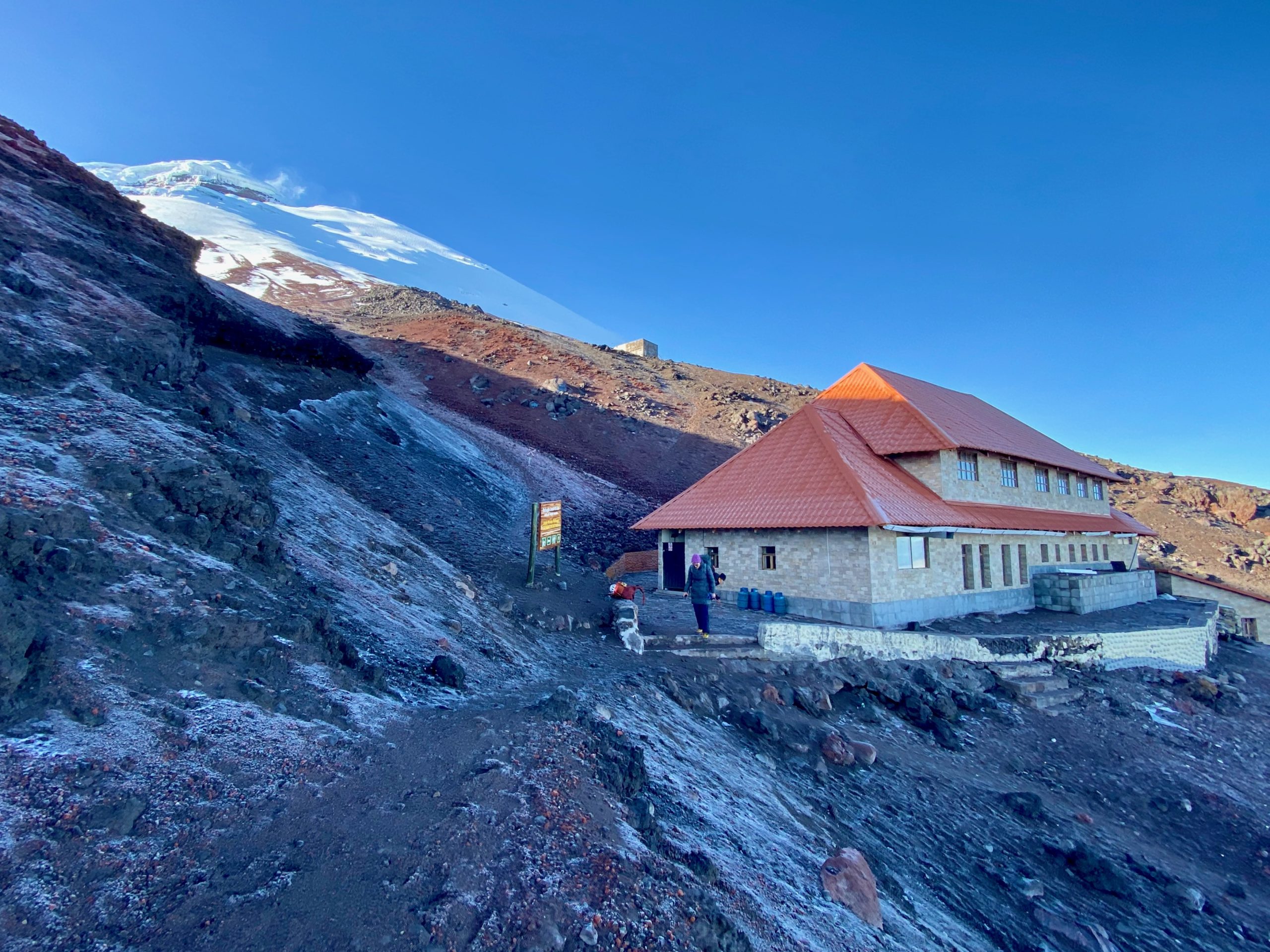
We depart Quito at 11:30 a.m. and drive south along the Avenue of the Volcanoes to El Chaupi, home of Ilinizas Mountain Lodge, Cotopaxi Summit's base. Here we check and prepare all climbing equipment and have lunch at the lodge. After lunch we continue to Cotopaxi National Park and drive up to the upper parking lot (4,600 m / 15,092 ft). From there, a hike of about one hour takes us to the José Ribas Refuge (4,864 m / 15,958 ft). We have an early dinner, review the summit plan with your guide, and rest until midnight.
- Max. altitude: 4,864 m / 15,958 ft
- Accommodation: José Ribas Refuge
- Meals: Lunch, dinner
- Distance: Drive approx. 130 km / 81 mi · Hike approx. 1 km / 0.6 mi (+264 m / 866 ft)
- Duration: Drive 3–3.5 h · Hike approx. 1 h
Day 2
Cotopaxi Summit – Return to Quito
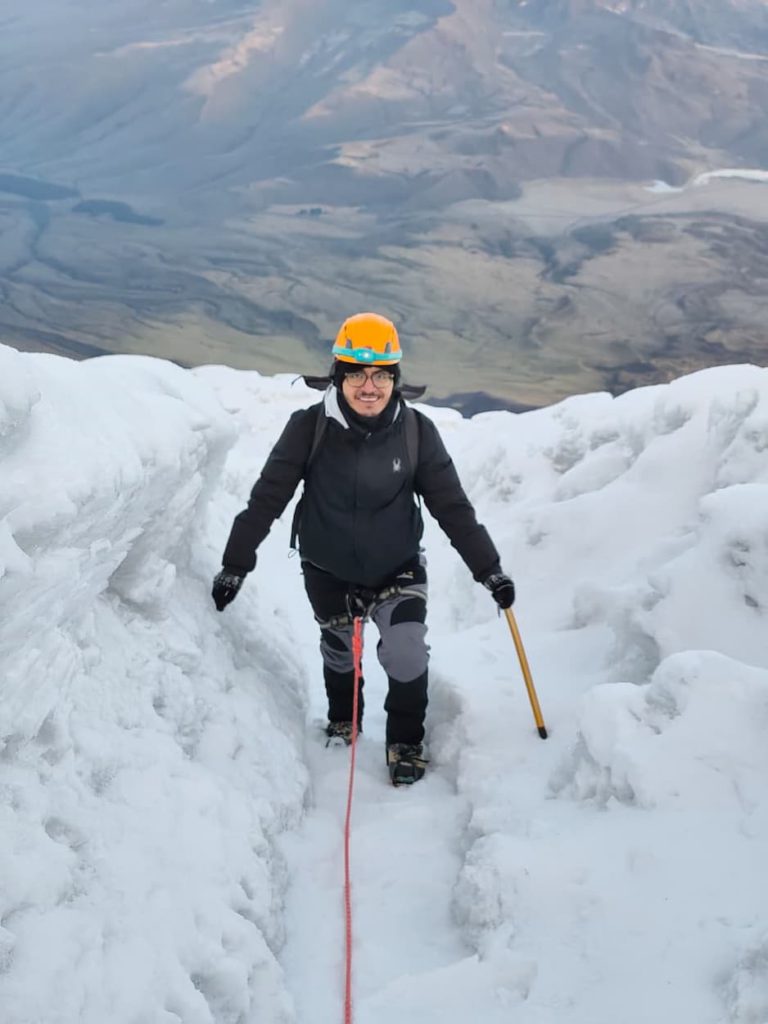
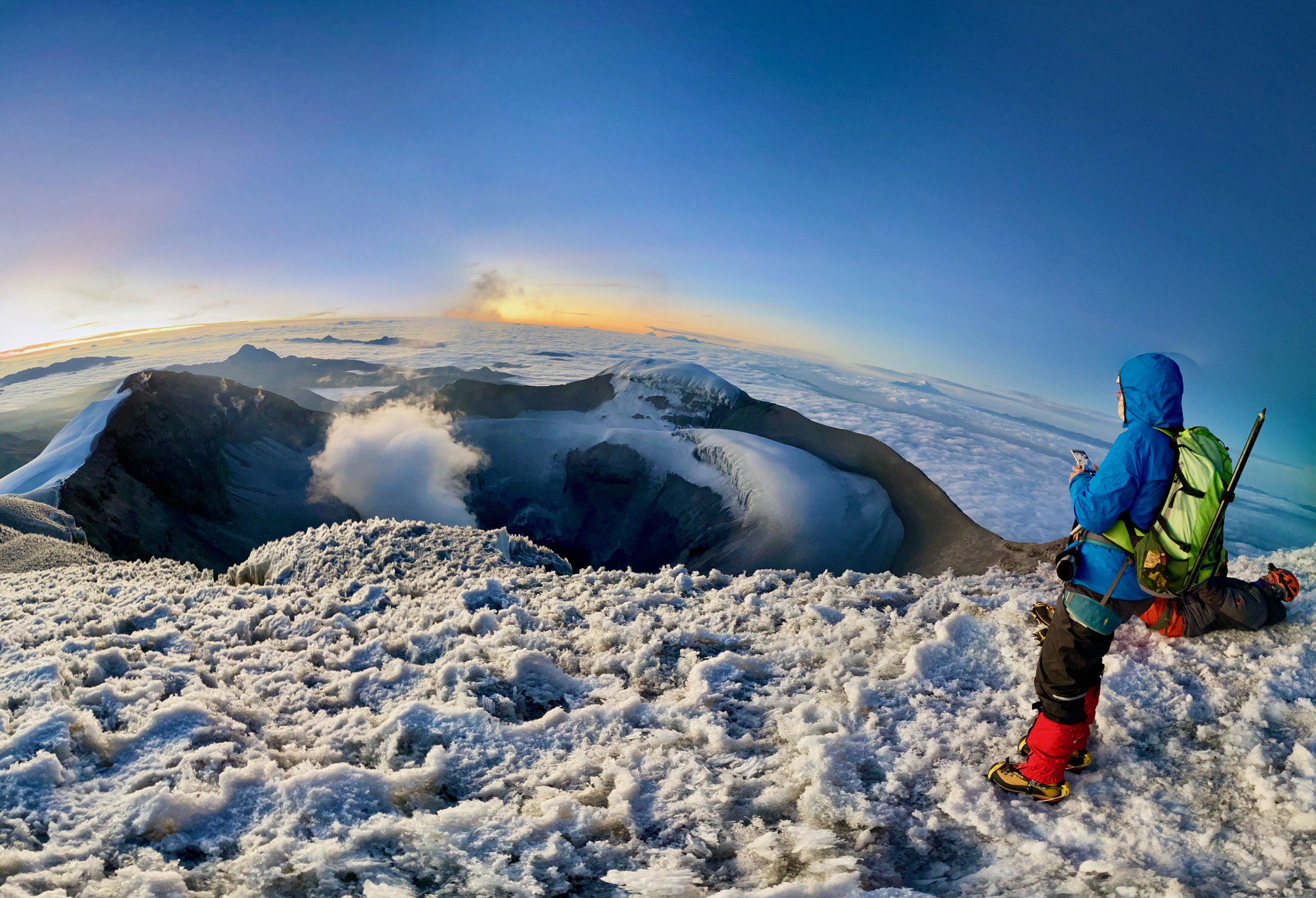
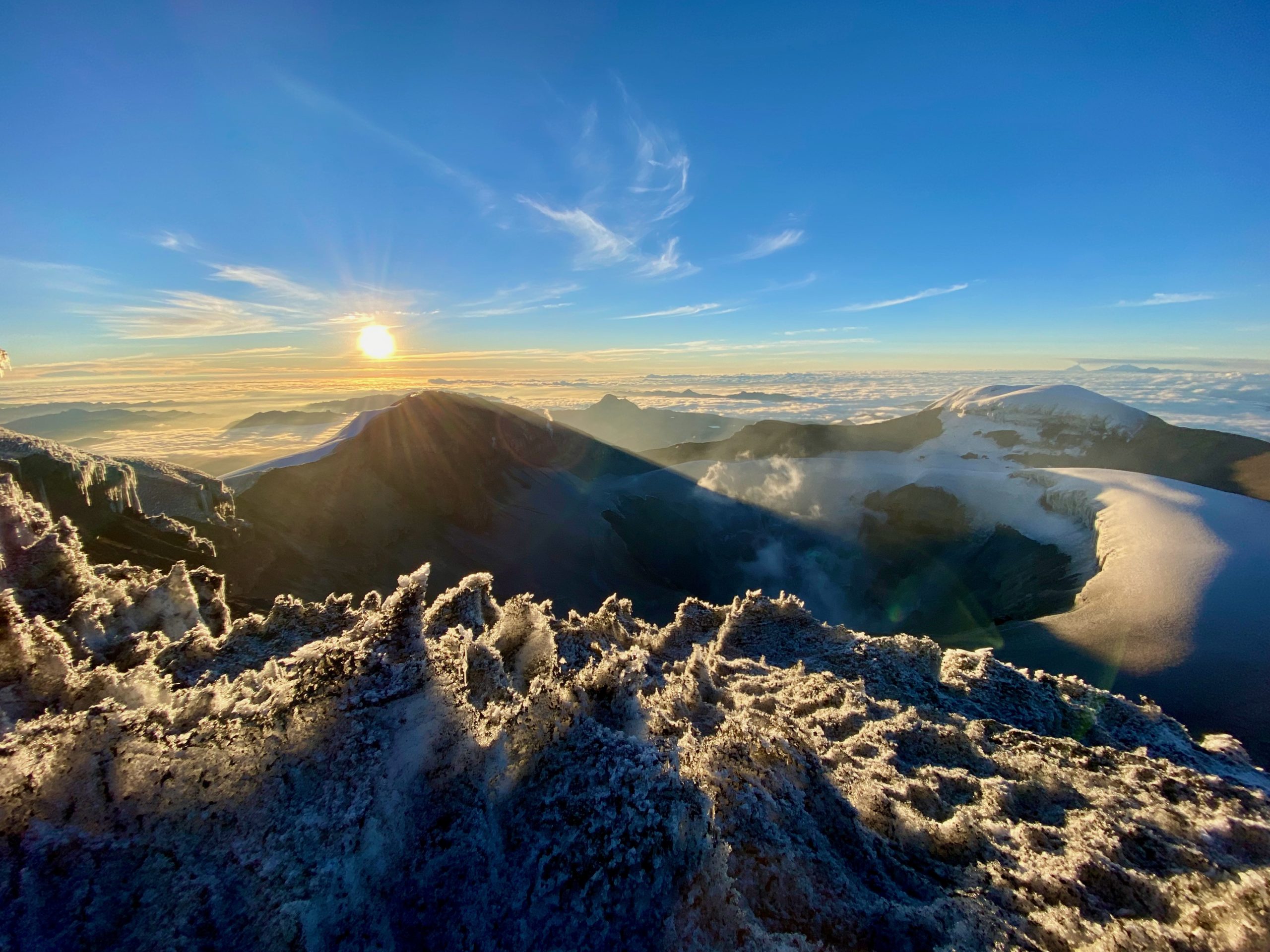
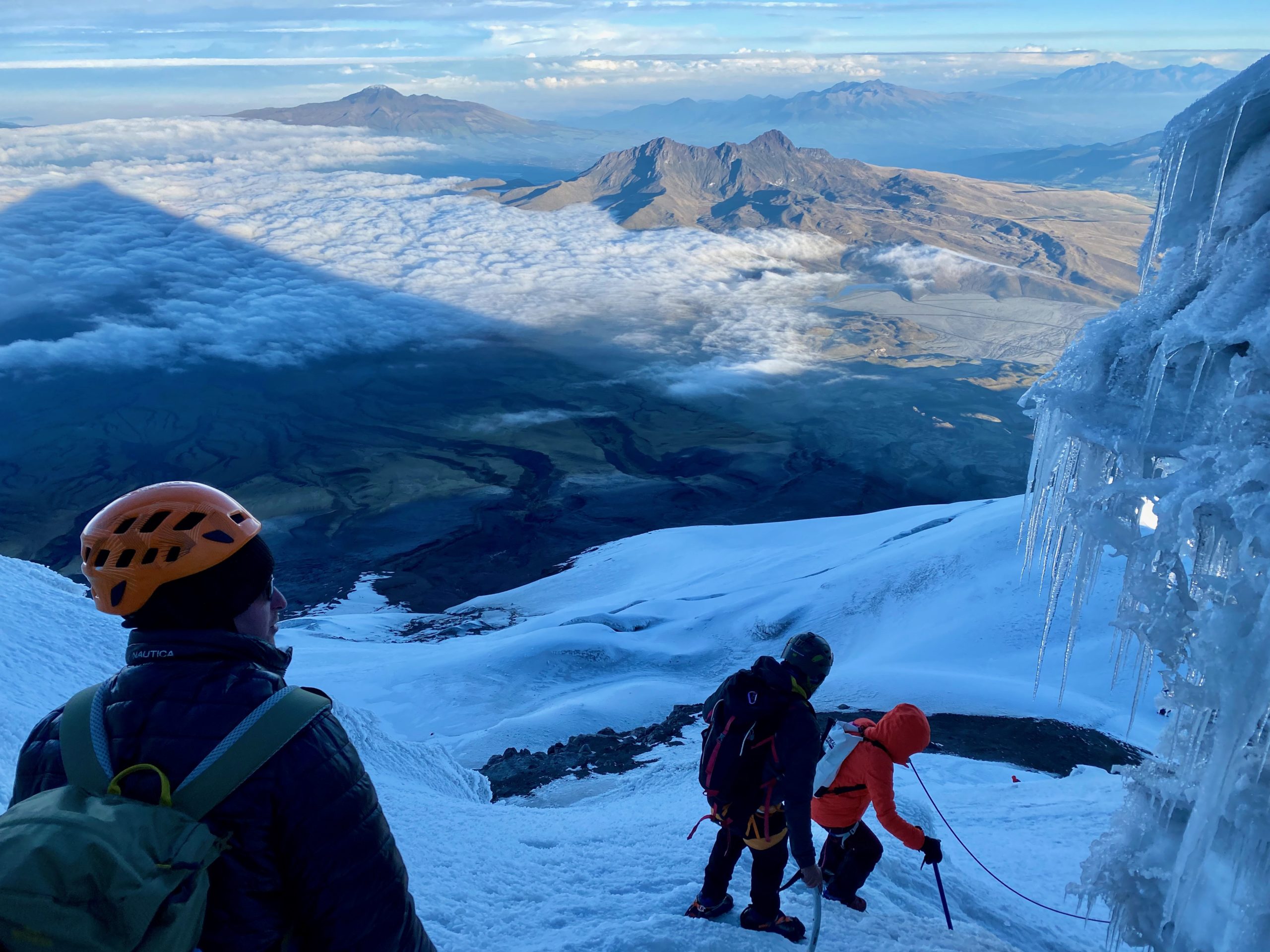
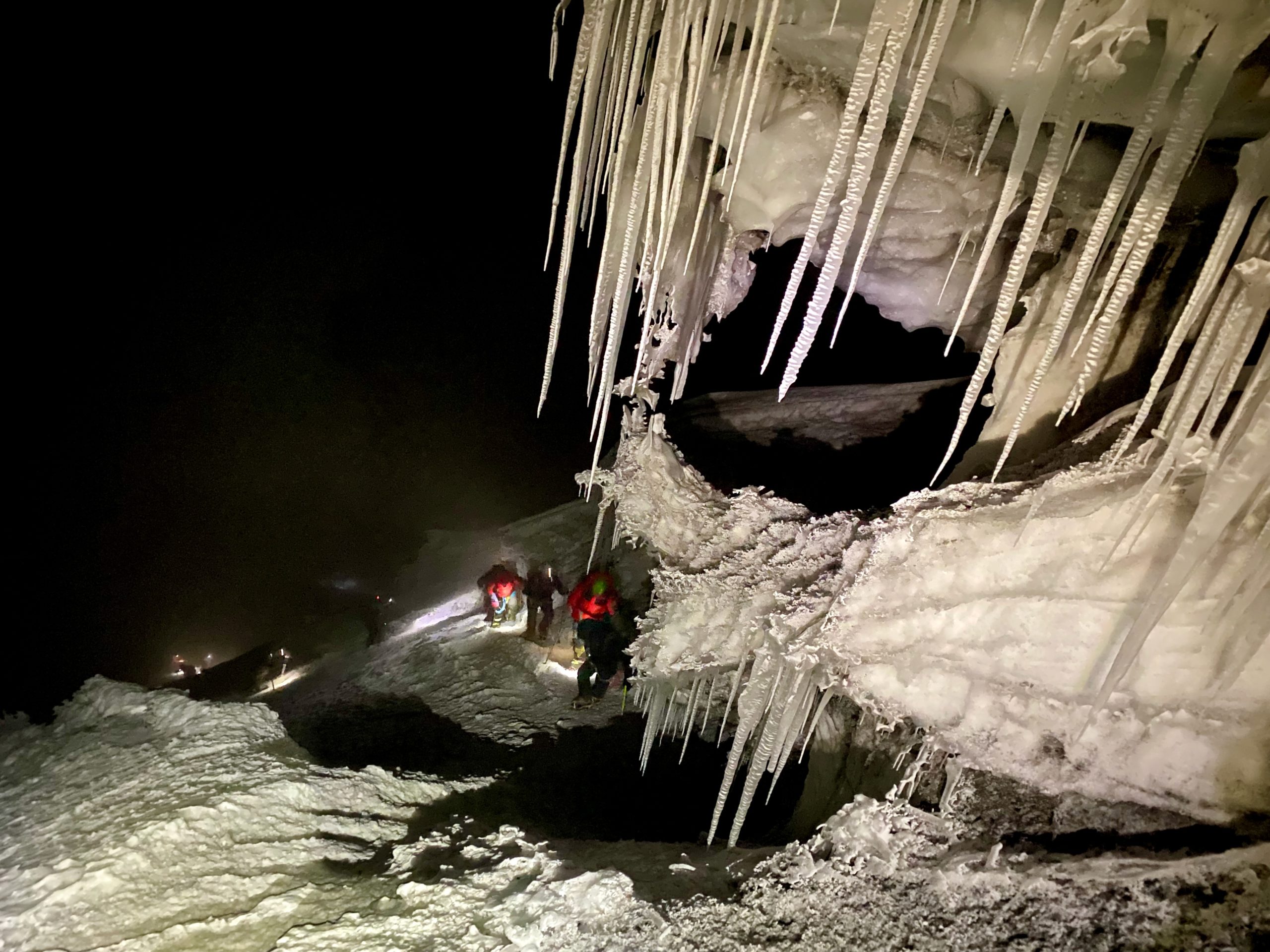
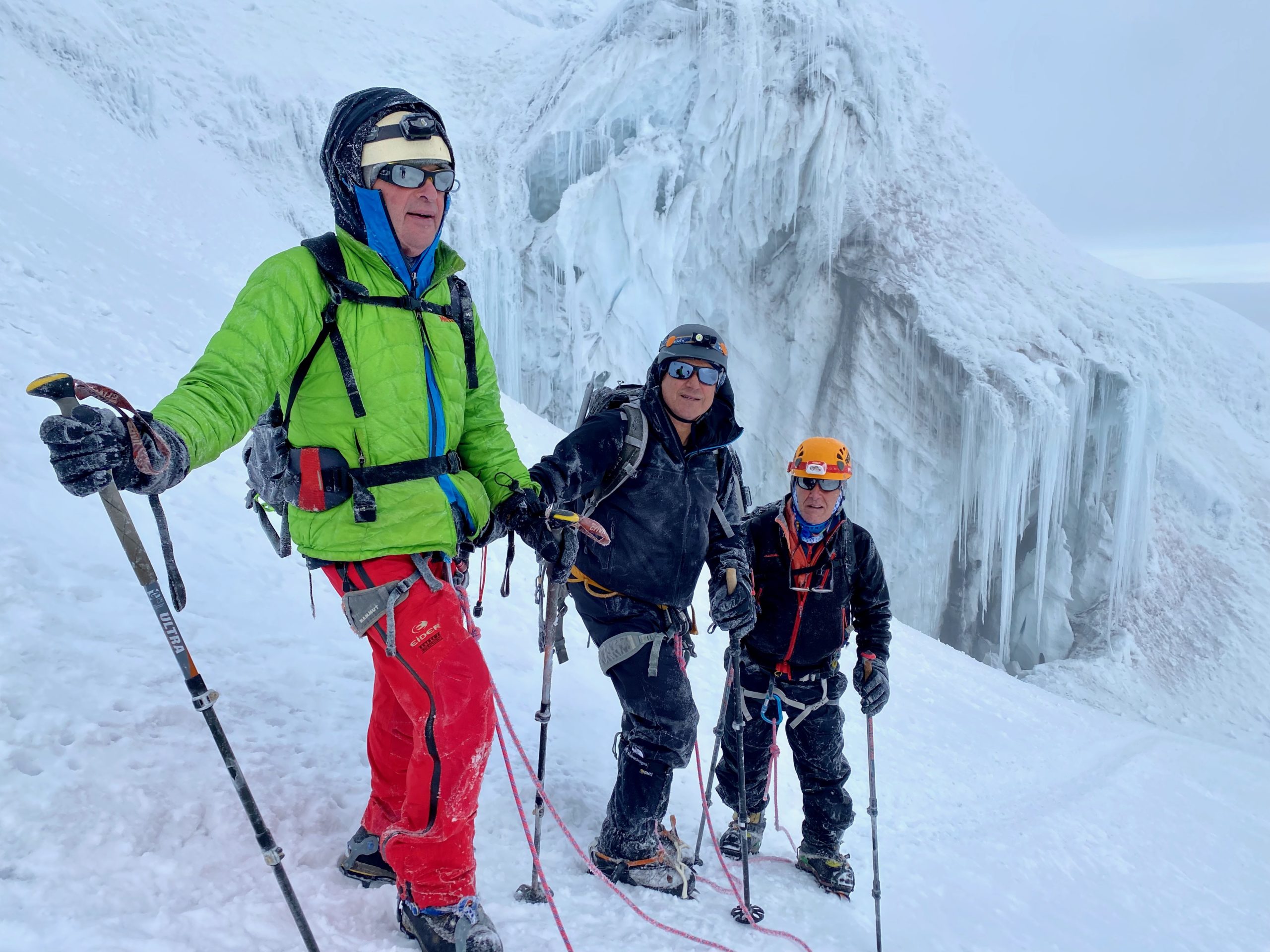
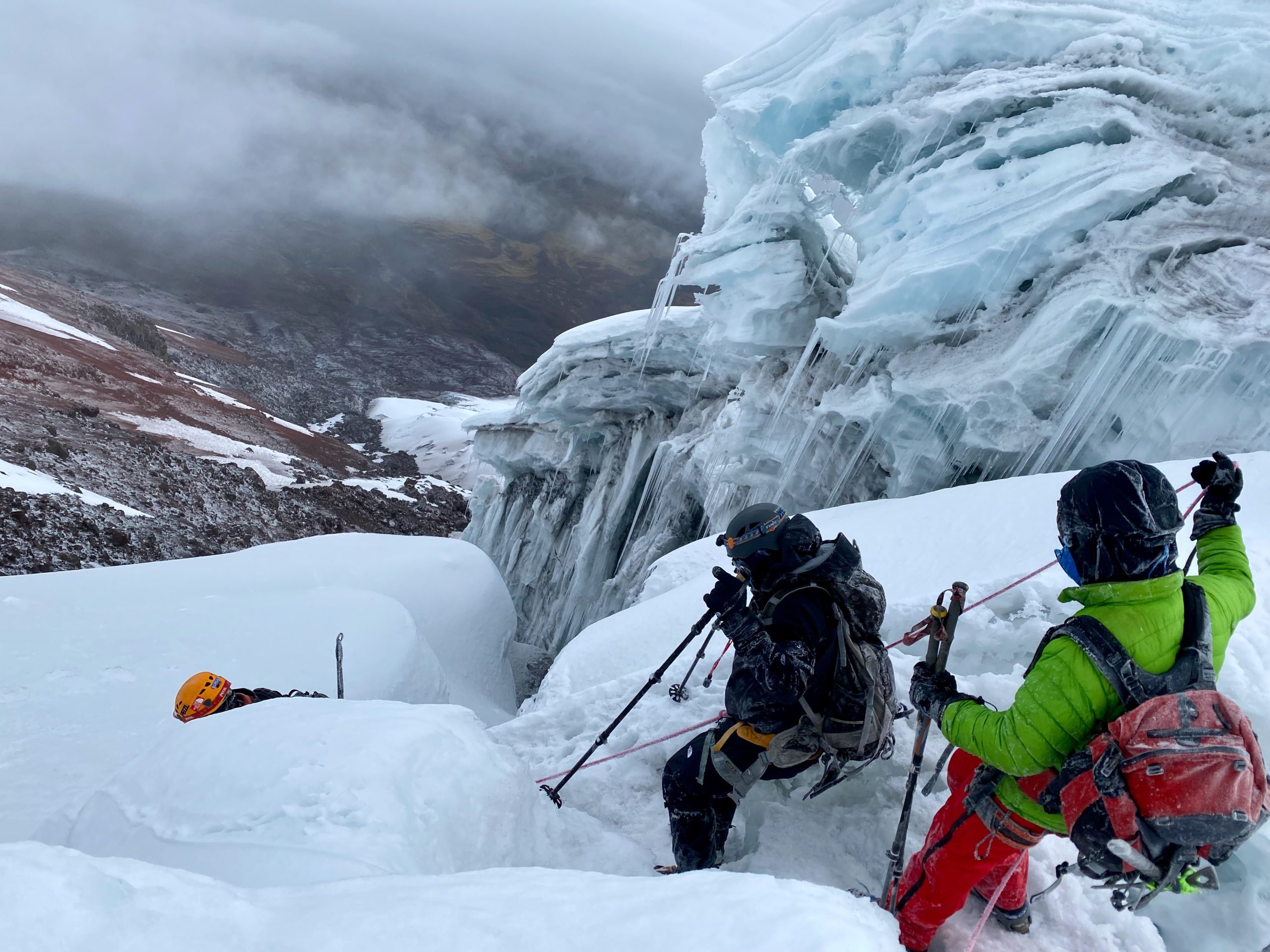
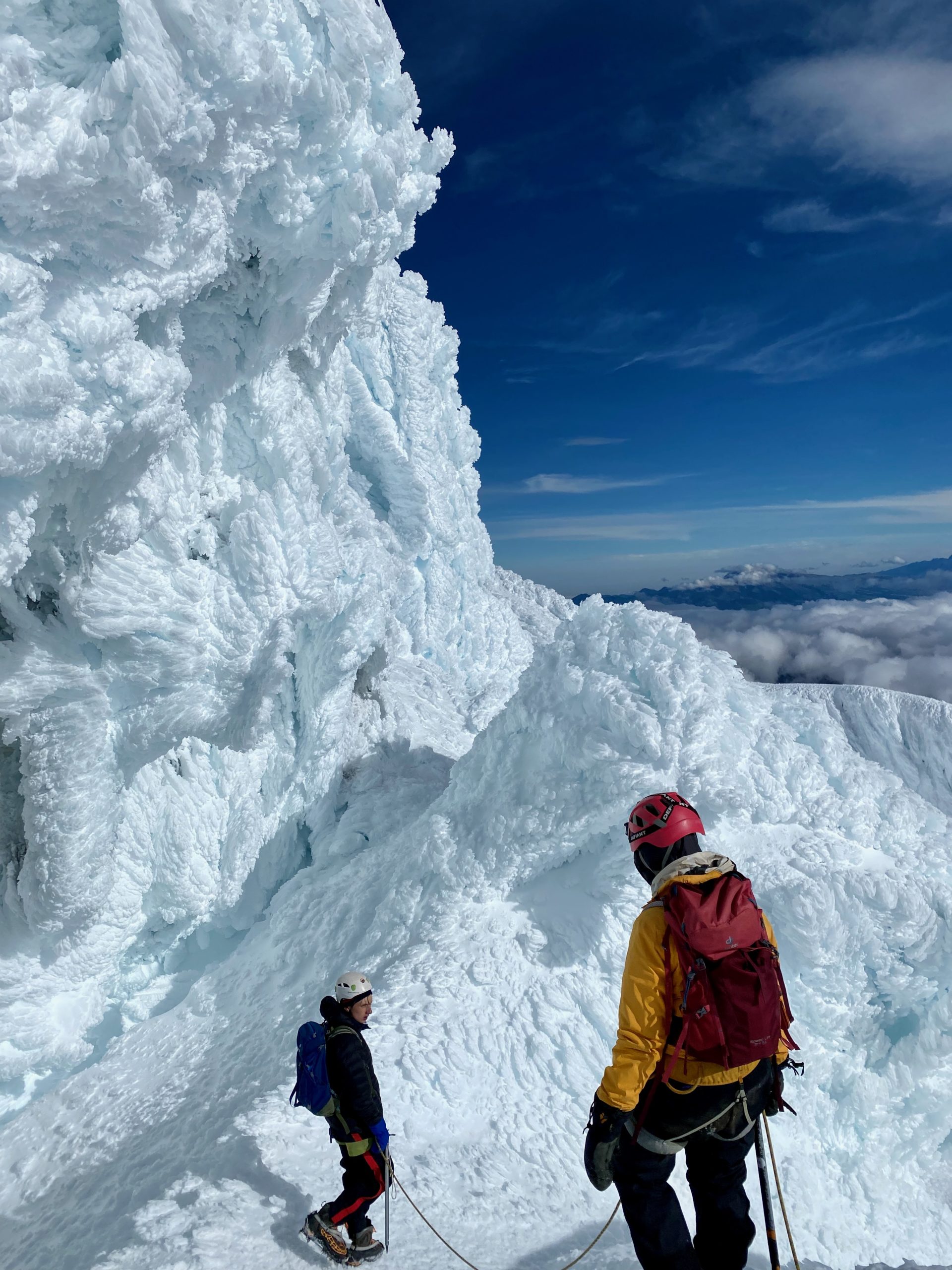
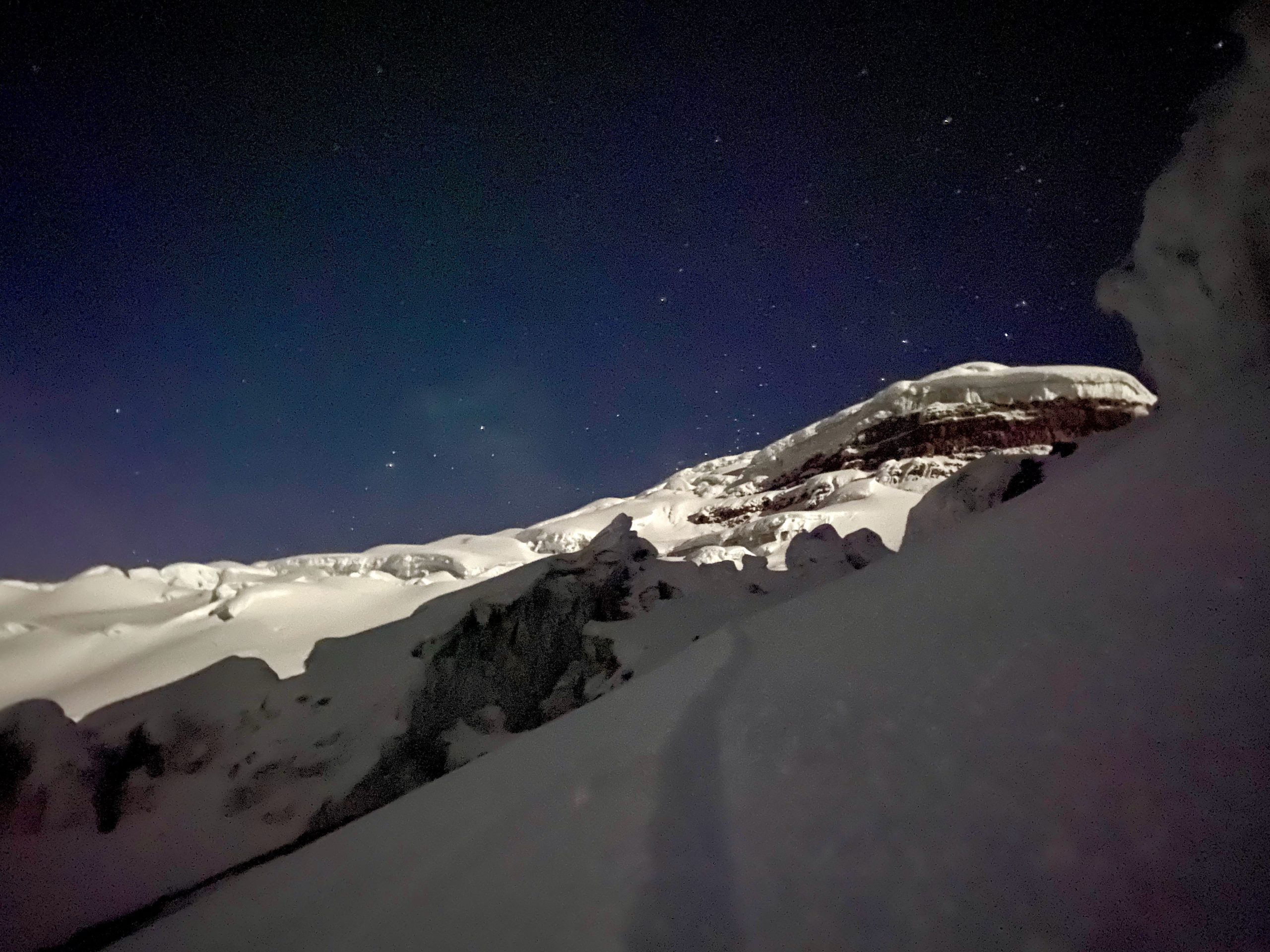
We wake up at midnight, have a light breakfast, gear up, and start climbing around 1:00 a.m. At the edge of the glacier, your guide will give a short briefing on crampon and ice axe technique and rope team procedures. The ascent takes 6 to 8 hours, depending on conditions and group pace. At the summit you will have time to take in the crater and the surrounding volcanoes at sunrise before descending to the refuge (2 to 3 hours). At the refuge we pack up, have a full breakfast, and hike down to the parking lot, where our vehicle will take us back to Quito (2,850 m / 9,350 ft).
- Private transportation Quito – El Chaupi – Cotopaxi – Quito
- ASEGUIM/UIAGM-certified mountain guide
- 1 night at José Ribas Refuge
- Meals as listed in the itinerary
- Technical climbing gear: boots, crampons, harness, helmet, ice axe
- Group equipment: ropes, first aid kit, communication equipment
- International flights
- Travel and rescue insurance
- Personal clothing and gear (base layers, down jacket, gloves, headlamp, sunglasses)
- Snacks and drinks not listed
- Meals not listed in the itinerary
- Tips for guides and staff
- Personal expenses

Previous technical climbing experience is not mandatory for the standard Cotopaxi route, but good physical condition and proper acclimatization are essential. Basic glacier techniques are reviewed before the summit attempt.
Cotopaxi is a physically demanding high-altitude glacier climb. The main challenges are altitude, cold temperatures, glacier travel and several hours of continuous ascent.
Yes. We strongly recommend proper acclimatization before attempting Cotopaxi at 5,897 m / 19,347 ft. The 2-day program is designed for climbers who have already spent time at altitude.
The ascent normally takes approximately 5–6 hours, followed by around 2–3 hours of descent, depending on conditions, pace and the climber’s performance.
The summit attempt normally begins around midnight from José Ribas Refuge. The exact departure time depends on weather, glacier conditions and the guide’s assessment.
The standard technical equipment includes:
- Mountaineering boots
- Crampons
- Ice axe
- Harness
- Helmet
Personal clothing, backpack and sleeping bag are not automatically included unless stated in the confirmed booking.
You should bring warm base layers, insulated clothing, waterproof shell layers, gloves, glacier sunglasses or goggles, headlamp, backpack, water containers and personal items suitable for high-altitude conditions.
For glacier summit attempts, the standard ratio is maximum 2 climbers per guide. Smaller teams may be required depending on experience, conditions or safety considerations.
Cotopaxi can be climbed throughout the year, but the main climbing periods are generally November to February and June to mid-September. Weather in the Andes can change quickly, so summit decisions are always based on current conditions.
Summit attempts are never guaranteed. If weather, glacier conditions, altitude symptoms or other safety factors make the climb unsuitable, the guide may turn around or modify the plan. Safety always takes priority over reaching the summit.